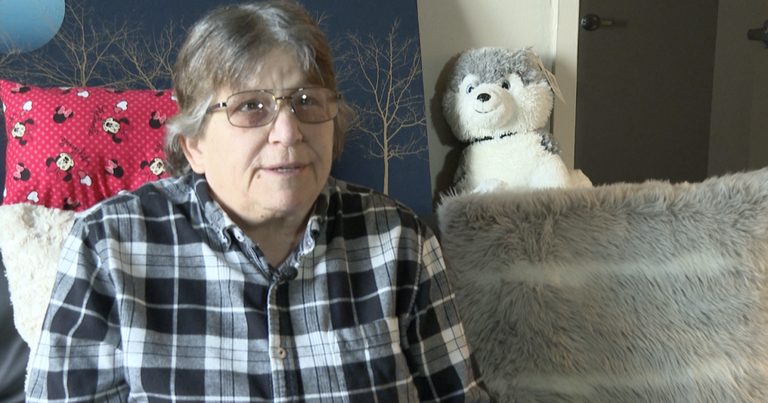
On November 6, a handwritten civil petition entered the Lubbock County court docket naming a single word on the defendant line: “God.” The filing, submitted by local resident Britani Taylor without legal representation, requests $900,000 in damages, though the exact total she seeks remains unclear.
Details of the filing
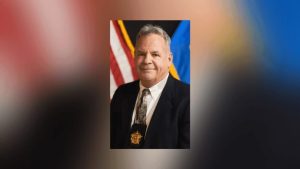
Taylor’s petition was assigned to Judge Les Hatch of the 237th District Court. In the damages section she wrote “$900,000” and left the adjacent box unchecked, indicating that the amount may be a placeholder rather than a final figure. The petition references additional payments elsewhere in the handwritten document, but the language is difficult to read, leaving the precise amount in dispute.
Earlier that same afternoon, Taylor filed a separate petition naming the Longview Police Department as the defendant. That case was directed to Judge John Grace of the 72nd District Court. The Longview filing mentions clothing, shoes and a car, but the legible portions do not identify a specific police incident.
Current status
District Clerk Sara Smith confirmed that neither case has a hearing scheduled. Both petitions appear in the court’s online case summaries as open filings, with no service, response, or ruling recorded to date.
The “God” lawsuit joins a small handful of similar cases that have appeared in U.S. courts over the years. In 2008, the Los Angeles Times reported on a Nebraska state senator who sued God; the case was dismissed because the defendant could not be served and had no address.
Legal context
Courts typically dismiss suits against non‑person entities when proper service cannot be effected. Without an address or a legal entity to receive notice, a plaintiff’s claim cannot move forward under established procedural rules. Nonetheless, filing such a petition can serve as a symbolic gesture, drawing public attention to the plaintiff’s grievances.
Community reaction
Local observers note the unusual nature of the filing but stress that the court system must treat every petition on its procedural merits. “Regardless of the defendant’s name, the court’s responsibility is to ensure due process,” said a longtime Lubbock attorney who asked to remain unnamed.
As the cases await further action, residents and legal professionals alike will be watching to see whether the filings progress or are dismissed for lack of jurisdiction.
Original reporting: Lubbock Lights — read the source article.