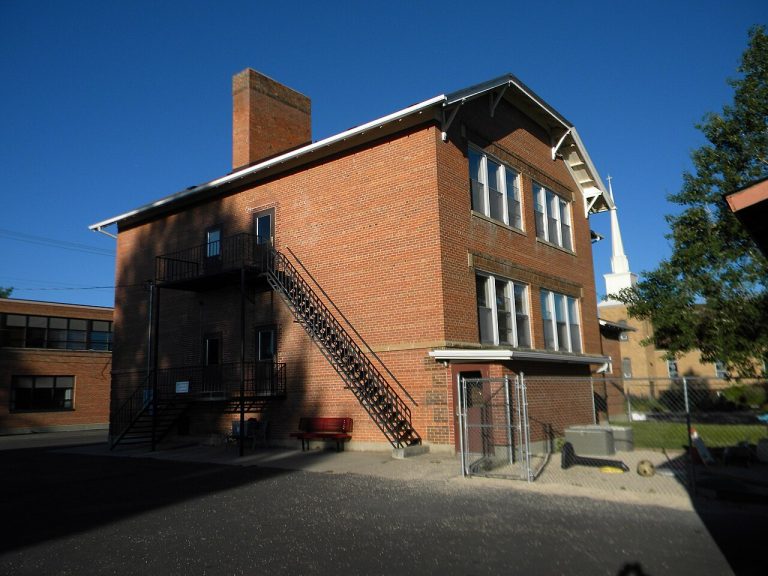
The Parrish Art Gallery sits inside Chemeketa Community College’s Building 2 — not a destination address, admittedly, but once you figure out the parking (Lot D off Coral Avenue is your friend), you’ll find one of the more reliably interesting small galleries in the Willamette Valley. It doesn’t charge admission. It doesn’t have a gift shop. It just shows work, rotates it regularly, and mostly stays out of its own way.
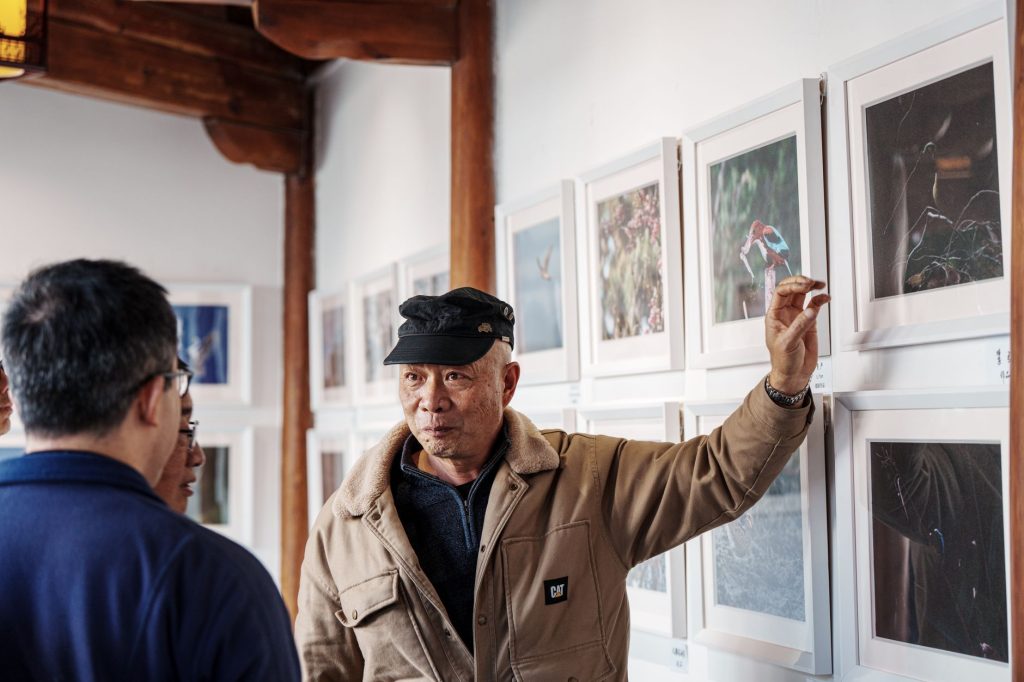
The gallery runs roughly 2,000 square feet — compact enough to see thoroughly in forty minutes, large enough to mount a real exhibition. Programming leans toward Pacific Northwest artists and tends toward work with some conceptual heft: photography, mixed media, ceramics, painting that doesn’t feel like lobby filler. Past shows have included prints by regional artists dealing with land and memory, and documentary-style photography that would hold its own in a Portland gallery without apology. The curatorial instinct here is quieter than trendy, which is probably why the work tends to age well even a month after you’ve seen it.
Shows rotate roughly every six weeks throughout the academic year, which runs September through June. Summer programming is lighter, so if you’re visiting in July or August, call ahead or check the college’s events calendar before making a trip. During the school year, the gallery is open Monday through Thursday, roughly 8 a.m. to 5 p.m., with occasional extended hours for opening receptions. Those receptions are free, usually low-key, and worth attending if you catch them on the schedule — the artists often show up and are more willing to talk than you might expect.
Cost: zero. Parking: also zero on weekends and after 5 p.m. on weekdays. During business hours on weekdays, you’ll need a permit or need to pay the meter in the visitor lot — figure $2 to $3 for an hour, which is probably all you need.
The gallery is best on a weekday when students aren’t between classes. It gets briefly chaotic at the top of the hour. Arrive at an odd time — 10:20, 1:40 — and you’ll often have the place to yourself or close to it. The building itself is nothing special aesthetically, but the gallery space has decent natural light and clean white walls that give the work room to breathe.
What makes Parrish worth the minor logistical effort is precisely what makes it easy to overlook: it functions like a real gallery rather than an institutional checkbox. There’s no permanent collection to wade through, no educational signage explaining what you’re supposed to feel. The shows are mounted with care, the wall text is minimal and useful rather than performative, and the work is selected by people who seem genuinely interested in it. That’s not a given, even at institutions with bigger budgets and more famous names on the building.
If you’ve been to the Hallie Ford Museum and want something smaller, more current, and free of charge, Parrish is the logical next stop. It won’t take your whole afternoon. It might take up space in your head for a while after, which is probably the better outcome anyway.