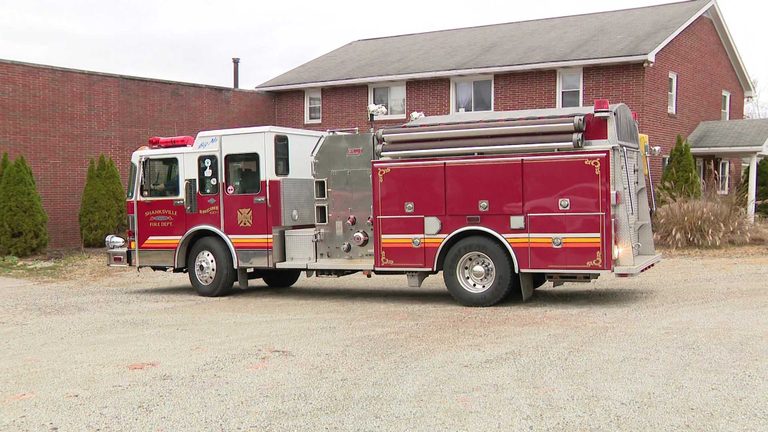
On Sunday the Shanksville Volunteer Fire Department will officially retire its beloved fire engine, known locally as “Big Mo.” The apparatus has served the small Somerset County community for more than a quarter‑century and earned a place in history as the first engine to arrive at the Flight 93 crash site on September 11, 2001.
Engine’s legacy
“It was our workhorse. It ran our calls, fires. We ran rescue out of it,” said Brad Schober, president and assistant fire chief of the department. Chief Chris Meyer added, “We had to rely on Mo, that engine, to be ready, and we owe it to that engine because it was ready.” Those words echo the gratitude of volunteers who still remember the frantic hours after the hijacked plane went down in the hills outside Shanksville.
White House honor
Last September, Big Mo received a special invitation from the Tunnel to Towers Foundation to travel to the White House. The visit was described by Schober as “kind of sentimental, kind of emotional,” and a fitting send‑off for a vehicle that has been a symbol of the town’s resilience.
Future home
Although the engine will no longer see active service, many residents hope its story will live on in a museum. “Hopefully it’s going to go to a local museum so I can still take my grandkids to show them that truck, explain to them what happened that day,” said former assistant fire chief Rick King.
New equipment on the way
The department is preparing to welcome a brand‑new engine this weekend. A ceremonial “push‑in” is scheduled for 3 p.m. on Sunday, marking the transition from the historic apparatus to modern equipment that will continue to protect the community.
Why the story matters
For Shanksville’s families, the retirement of Big Mo is more than a routine equipment change; it is a reminder of the town’s role in a national tragedy and of the volunteers who have kept the community safe for generations. Preserving the engine in a museum would give future residents a tangible link to that history and a chance to teach younger generations about service, sacrifice, and the importance of local first‑responders.
Original reporting: WTAE (Hearst) – local — read the source article.