The Euskal Herria Basque Club on Keystone Avenue operates on a membership model that dates to the early twentieth century, and most people who live in Reno have no idea it exists. That is not an accident. The club was built by Basque shepherds and ranchers who needed a place to speak their own language, eat familiar food, and find each other in an unfamiliar country. That original purpose hasn’t disappeared so much as softened, and on the right weekend, the doors open to the public in a way that feels less like outreach and more like an invitation you stumbled into.
The building itself is straightforward — a low, rectangular structure off a commercial stretch of Keystone, nothing on the outside to signal what goes on inside. The interior has the feel of a community hall that has been used hard and maintained faithfully: long tables, a bar along one wall, photographs of the Basque Country covering every available inch. The images run from historical — shepherds on the open range, old Reno storefronts — to recent group portraits of people clearly having a good time. It is a room that communicates continuity without trying to.
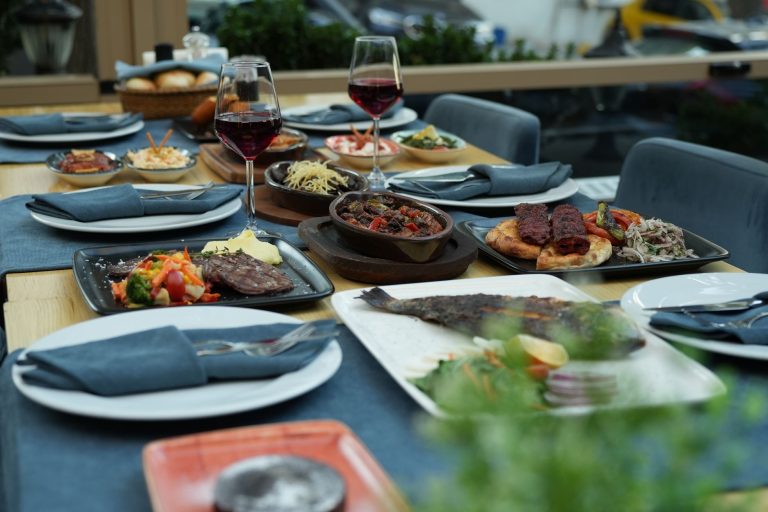
The public dinners, usually held on the last Sunday of the month, are the main draw for outsiders. For around twenty dollars, you get a multi-course meal served family-style: a bean soup that is filling enough to constitute dinner on its own, salt cod or lamb depending on the week, pickled vegetables, bread, and wine poured freely into tumblers. The food is not trying to be refined. It is trying to be what it is — the kind of cooking that sustained people doing physical labor at altitude — and it succeeds at that completely.
Lamb stew, when it’s on the menu, is the thing to pay attention to. The meat falls apart and the broth carries a low, dark richness that you don’t find at most restaurants in town. The cod preparations vary; some weeks it’s lighter and bright with garlic, other weeks it’s heavier. Either way, the portions are serious. Come hungry.
The crowd at these dinners is a mix: older Basque-American families who’ve been coming for generations, younger people who heard about it through word of mouth, the occasional curious visitor from out of town. Conversations start easily. The wine helps. The whole thing usually runs two to three hours without feeling long.
Beyond the monthly dinners, the club hosts a bigger public festival each summer — typically in August — with dancing, music, a mus card tournament (mus is the traditional Basque card game), and more food. That event draws a larger crowd and is probably the easier entry point if you’ve never been. But the dinners have a quieter energy that is, in some ways, more revealing of what the club actually is.
What it actually is, is a living piece of Reno’s history that most residents drive past without registering. The city has a deeper Basque presence than most people realize — it was a central hub for the sheepherding industry that brought thousands of Basque immigrants to the American West through the late 1800s and into the twentieth century. Louis’ Basque Corner on North Virginia gets most of the attention, and deservedly so, but the club is the older institution, the one that existed before Basque food became something to seek out rather than something people simply ate.
Check the club’s Facebook page or call ahead before showing up — not every event is open to non-members, and schedules shift. But if you can get to one of the public dinners, go. Twenty dollars, a Sunday afternoon, and you’ll leave knowing something about this city you didn’t know before.