The Federal Aviation Administration ordered a nationwide ground stop at about 2:15 p.m. on Friday, Nov. 13, after a telecommunications outage knocked out critical air‑traffic‑control communications. Federal Transportation Secretary Sean Duffy told reporters the interruption is “not another 9/11” and urged the public not to fear for their loved ones.
Why the FAA acted
The outage, which officials say is unrelated to the recent Microsoft service disruption or the rollout of a new AI‑powered SMART air‑traffic‑control platform, prevented controllers from safely sequencing arrivals and departures. By grounding aircraft, the FAA bought time to restore communications and avoid potential collisions.
Impact on local airports
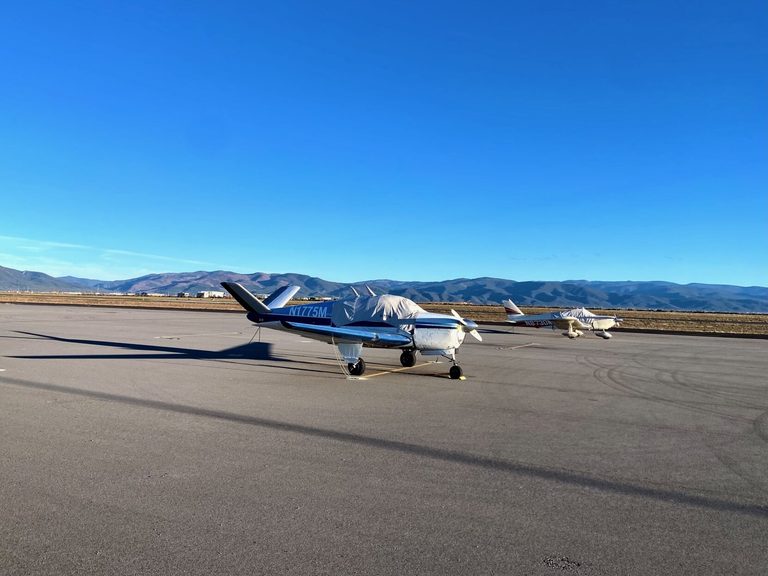
Taos Regional Airport had no scheduled commercial flights on Friday, so the immediate effect was limited. Airport manager Colton Rapstine said, “It applies nationwide right now, but we don’t have any airline flights today, so it really hasn’t affected us too badly.” He added that inbound flights can still land, but outgoing flights are halted until the FAA lifts the stop.
Raymond Rodriguez, general operations manager at Taos Regional, explained that the airport relies on Albuquerque’s air‑route traffic control center. “They can talk to Albuquerque once they’re at a certain altitude, but once they get down below 12,500 feet, they lose contact,” he said.
Angel Fire Airport, which operates seasonally, remains closed until winter and is therefore unaffected. Director Jeff Gilmer, a retired FAA inspector who helped supervise reroutes during the 2001 attacks, stressed the difference: “This is not a 9/11 incident. The only similarity is the process that airlines and the federal agencies take. Airplanes might get diverted, but we’re handling it safely.” He noted that medical transports, including a recent helicopter patient transfer to Taos, continued without interruption.
National ramifications
While smaller fields like Taos and Angel Fire can continue limited operations, larger hubs such as Albuquerque, Chicago and Denver face the risk of runway congestion and limited gate space if the ground stop persists. An unnamed commercial‑airport‑operations expert warned that “relatively small airports like Albuquerque and larger hubs may ultimately run out of room to park planes, much less have the ability to get planes to terminals so passengers may disembark per usual.”
Senator Martin Heinrich of New Mexico issued a statement acknowledging the “significant concern and disruption” and pledged to press for answers while ensuring the safety of New Mexicans.
FAA’s response and next steps
The Department of Transportation’s fact sheet on the Strategic Management of Airspace, Routes and Trajectories highlights that the new AI system aims for “zero delays at the start of the day.” Officials say the current outage is an isolated technical failure, not a systemic flaw in the AI platform.
Secretary Duffy reiterated that the FAA’s priority is safety and that the agency is working to restore full service as quickly as possible. “There is no reason for the public to be afraid or scared for your loved ones,” he said at a news conference.
What travelers should expect
Airlines have begun notifying passengers of delays and cancellations. Travelers are advised to monitor airline communications, check the FAA’s website for updates, and remain patient as the agency works to resolve the telecommunications issue. The situation remains fluid, but officials are confident that normal operations will resume once the outage is fixed.
Original reporting: Taos News — read the source article.