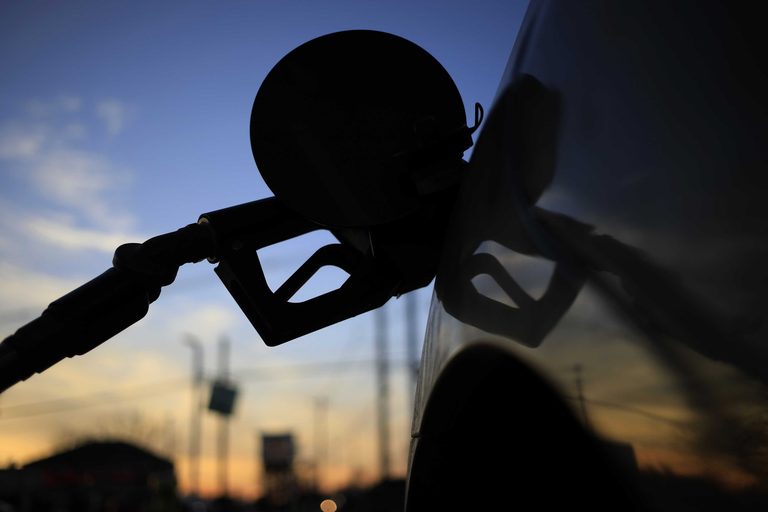
National gas prices fell below the $4‑per‑gallon mark for the first time since July, with the U.S. average reaching about $3.94 on Nov. 11, according to the Energy Information Administration. The drop sparked social‑media speculation that oil firms had artificially raised prices before the election to blame President Trump and sway voters toward the Democratic Party.
Seasonal factors drive the decline
Energy‑market analysts point to well‑understood seasonal dynamics as the primary cause. Patrick De Haan, head of petroleum analysis for GasBuddy, explained that drivers travel less in the autumn and refineries switch to a cheaper winter gasoline blend, naturally lowering pump prices.
University of Texas at Austin associate professor Hugh Daigle added that the recent dip is slightly larger than typical for this time of year, but still within the range of normal seasonal fluctuations. He noted that increased oil flow through the Strait of Hormuz – a key shipping lane – also helped push prices down.
Impact of the Iran conflict and Trump’s stance
The Iran conflict, which drove a spike in gasoline costs earlier in the year, is now receding. After the United States and Israel struck Iranian targets in February, Tehran closed the Strait of Hormuz, tightening global oil supply. Since then, oil exports from the Middle East have risen again, both through the strait and via alternative pipelines, easing the supply crunch.
President Trump addressed the market on Nov. 9, stating he saw no need for additional military strikes in the region. His measured posture, combined with the resurgence of Iranian oil shipments, has contributed to the easing of fuel prices.
No evidence of a conspiracy against the President
De Haan emphasized that there is no indication oil companies deliberately inflated prices to damage President Trump’s re‑election prospects. “American gas companies have little ability to dictate global oil prices,” he said, noting that the market is driven by worldwide supply and demand, not by domestic corporate whims.
He also pointed out that Democrats typically favor stronger regulation of the oil and gas sector, providing little incentive for companies to manipulate prices in their favor.
What the data show
According to the Energy Information Administration, U.S. gasoline prices have declined every week since the September 21 peak of $4.48 per gallon. While the current level remains higher than it was at this time four years ago, the trend reflects a return to normal market conditions rather than any coordinated effort to influence voters.
Analysts acknowledge that political expectations can affect oil markets, and the upcoming congressional composition may shape future funding for the Iran conflict. However, the present price movement is rooted in seasonal demand shifts and the easing of Middle‑East supply constraints.
Conclusion
Claims that gas companies raised prices to create a false narrative against President Trump do not hold up under scrutiny. The evidence points to ordinary seasonal patterns and a gradual de‑escalation of the Iran‑related oil shock as the drivers of today’s lower pump prices.
Original reporting: WESH Orlando — read the source article.