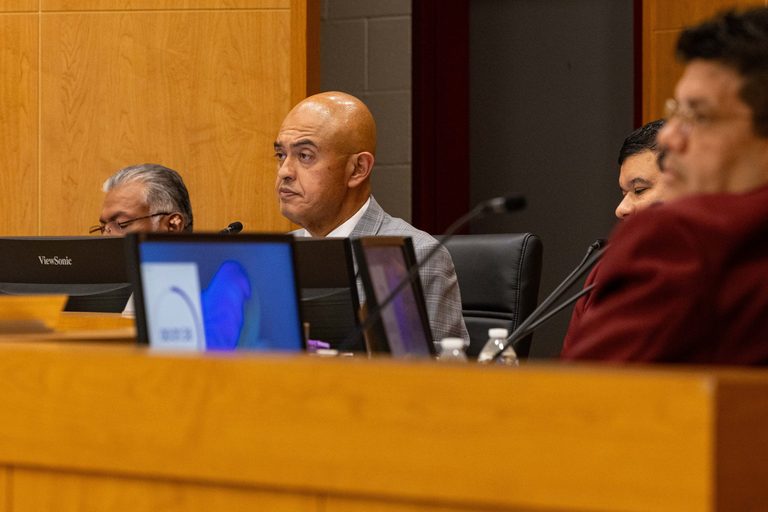
Edgewood Independent School District will lose its longtime leader this winter. Superintendent Eduardo Hernandez, who arrived in 2018 during a state takeover, announced he will retire in February 2027, saying, “Prayer is taking me away.” At 52, Hernandez says he feels called to step aside after a decade of service, though he expects to remain active in education or nonprofit work.
Faith‑driven leadership and community ties
Hernandez describes his tenure as a “life’s ministry,” noting that his decision to stay far longer than the board originally expected was rooted in love for the Edgewood community. He points to an open‑door policy, regular “Let’s talk with Dr. H” sessions, and a willingness to listen to dissenting voices as hallmarks of his leadership style.
Academic progress amid ongoing challenges
When Hernandez arrived, every Edgewood school carried a failing state rating. Today most schools meet passing standards, though the district still carries an overall D rating for several consecutive years—a point of criticism from some parents and newly‑elected board members. Hernandez acknowledges the criticism but stresses that the district’s turn‑around was driven by school‑choice initiatives and the Teacher Incentive Allotment program, which rewards teachers based on effectiveness and district need.
Teacher incentives and funding gaps
The teacher incentive program, passed by the Republican‑led state legislature, has been a “game‑changer” for Edgewood, allowing a small district to compete with larger districts for talent. However, Hernandez warns that mandates without accompanying financial support strain the district, especially as special‑education, bilingual, and mental‑health needs rise without robust funding.
Scholarship program ends
Hernandez also launched a personally funded scholarship to help top graduates cover college “incidentals” such as dorm supplies, books and attire. With his departure, the scholarship will likely cease, underscoring the personal commitment he made as a first‑generation college student.
Future of education in Texas
Looking ahead, Hernandez expresses optimism about the new state administration’s impact on schools. He predicts a shift away from traditional brick‑and‑mortar models due to declining birth rates, increased virtual learning, and growth of micro‑school movements in Dallas, Fort Worth and Houston.
Consolidation as a possible solution
Given Edgewood’s small size and land‑locked status, Hernandez recommends that the city consider consolidating school districts. He argues that consolidation could provide the financial capacity to fund new buildings and expand services, a point he raised with the board early in his tenure. While the district cannot initiate consolidation on its own, he urges stakeholders to explore the option.
Next steps
The board will meet next week to name an interim superintendent, and Hernandez plans to attend the meeting to ensure a smooth transition. His contract, originally extended to June 2030 and later to 2031, will be terminated early by mutual agreement.
Edgewood ISD’s journey—from state takeover to local control, from failing schools to modest improvement—illustrates the impact of faith‑guided leadership, school‑choice policies, and targeted teacher incentives. As the district prepares for new leadership, the conversation about consolidation and sustainable funding remains central to its future.
Original reporting: San Antonio Report — read the source article.