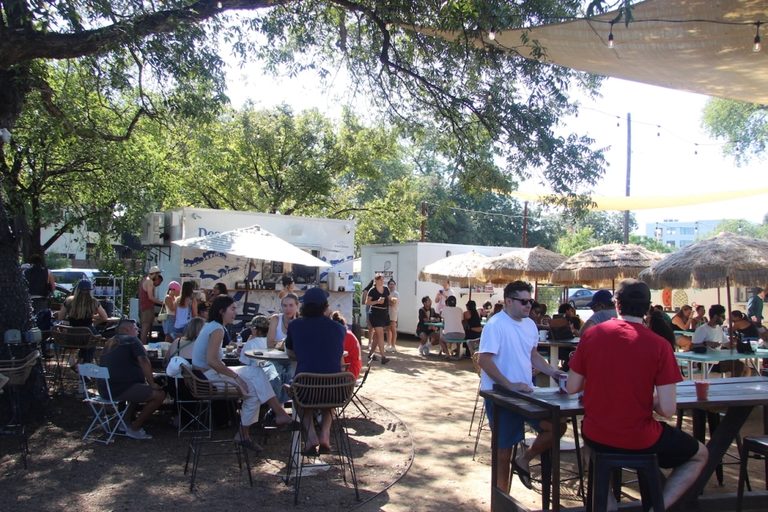
Austin City Council is moving to protect the city’s beloved independent shops and restaurants with a new rental‑buy‑down initiative. Councilmember Krista Laine introduced the proposal in early November, urging the Austin Economic Development department to create a publicly funded program that would subsidize commercial lease costs for qualifying small‑business owners.
How the program would work
The rent‑buy‑down plan would operate alongside existing city tools such as the Place‑based Enhancement Program, which already directs millions of dollars to long‑standing Austin establishments. Eligible businesses would receive funding that reduces their monthly rent, making it easier to stay in high‑traffic corridors and continue contributing to the city’s unique character.
Laine said the goal is to expand the footprint of locally‑owned enterprises in the most visited parts of Austin, especially as larger corporate entrants reshape the economic landscape. “One of the trigger words we’ve been hearing a lot recently is ‘private equity.’ It’s not just our favorite childhood chains that are vulnerable to private equity or outsider influence; our local favorites and emerging small businesses are also too often victims of these forces,” she explained.
Eligibility and accountability
The program would likely adopt eligibility criteria similar to the existing Place‑based Enhancement Program, with added focus on specific business sectors that serve the community’s daily needs. Accountability measures would be built in to ensure that public dollars are used effectively and that participating businesses demonstrate a commitment to remaining in Austin for the long term.
Before finalizing the program, city leadership plans to hold listening sessions with members of the Austin business community. Those meetings will help refine the funding model and identify a shortlist of initial participants to serve as a proof of concept.
Broader economic development context
The rent‑buy‑down proposal joins a suite of recent economic‑development actions by the city, including a small‑business loan buy‑down program and a council‑approved effort to promote “micro‑businesses” within existing neighborhoods. Together, these initiatives aim to diversify Austin’s economy, create jobs, and keep the city’s streets vibrant with independent retailers, restaurants, and creative spaces.
Councilmember Zo Qadri echoed the sentiment, noting that “small businesses are an essential part of what makes Austin, Austin. Any economic development goes way beyond just attracting large companies; it’s about uplifting the companies that make Austin the city that it is.” He added that activating vacant or underutilized commercial space presents an opportunity to strengthen neighborhoods, increase foot traffic, and support vibrant commercial corridors.
What’s next?
The council will vote on the resolution in the coming weeks. If approved, the city will move forward with funding discussions, stakeholder outreach, and the selection of pilot participants. Residents and business owners who wish to provide input are encouraged to attend the upcoming public meetings, details of which will be posted on the City of Austin website.
By targeting rent costs, the city hopes to preserve the local businesses that give Austin its distinctive cultural identity and economic diversity, ensuring that the city remains a place where families and communities can thrive.
Original reporting: Community Impact — Austin — read the source article.