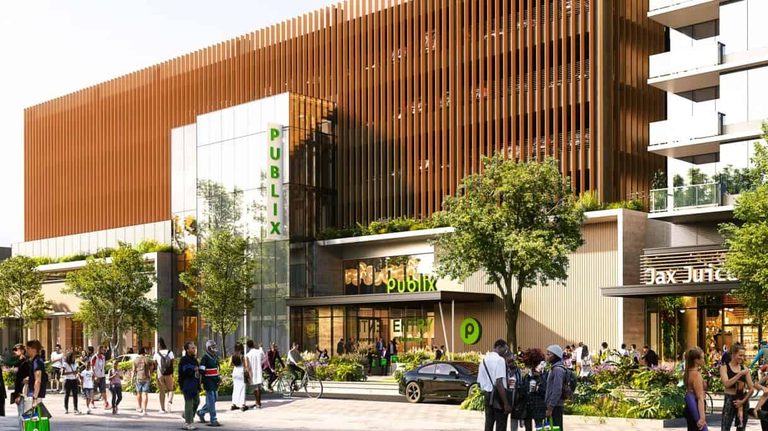
Jacksonville City Council voted this week to approve a compromise incentive package that makes the municipality an investor of $49.65 million in Gateway Jax’s downtown high‑rise project. The deal includes a $28.25 million cash grant that will be paid to the developer once construction is completed, plus additional grant commitments that could exceed $50 million by 2031.
Projected return for taxpayers
The Downtown Investment Authority (DIA) estimates that for every $1 the city invests in the Publix‑anchored tower, Jacksonville will receive between $1.10 and $1.45 in return over the next 30 years. The calculation factors in cash outlays, property‑tax refunds and the new tax revenue generated directly by the development.
Gateway Jax projects the grocery store and residential components will generate roughly $2.2 million per year in new local property and sales taxes. In addition, the company expects the project to create 549 construction jobs and 125 permanent positions once the building is occupied.
Economic impact beyond the grant
Independent analysis by UNF professor Andres Gallo supports the city’s optimism. Gallo’s study shows new supermarkets typically lift nearby real‑estate values by 4‑7 percent. Applying that range to the Publix on Beaver Street, he estimates annual property‑tax gains of $3.4‑$3.8 million, which translates to $320‑$340 million in additional tax revenue over the 30‑year agreement.
Local business owners and residents have long called for a full‑service grocery store in downtown Jacksonville, arguing that it is essential for sustainable residential growth on the Northbank. The DIA and Gateway agreed that the grocery anchor was a priority, even shifting grant money from a previously approved riverfront park project to secure council support in the post‑Amendment 3 fiscal environment.
Developer’s commitment and future plans
Gateway’s CEO Bryan Moll said the company will not seek further cash completion grants from the city’s general fund for the upcoming $250 million Riverfront Plaza hotel, condo and apartment tower. Instead, the $20 million request for that project will be funded through property‑tax dollars generated downtown and deposited into the Northbank Community Redevelopment Area fund, which the DIA manages.
“I think we’re getting close,” Moll said. “Having the grocery store deliver and the project succeed will demonstrate that people are willing to pay rents for these types of amenities, which helps justify construction.” He added that institutional investors are watching the market closely.
Lease terms and retail realities
The incentive dollars will not go to Publix directly; they are earmarked for development and construction costs. While Moll declined to disclose the exact lease amount, he noted that Jacksonville’s average retail rent in 2025 was $25.65 per square foot. Because grocery stores operate on thin margins, he expects Publix to negotiate a rate in the low‑$20s per square foot, consistent with industry norms.
Overall, the city’s investment aims to fill a long‑standing gap in downtown retail, stimulate property‑value growth, and create both construction and permanent jobs—all while delivering a measurable return to taxpayers.
Original reporting: Jacksonville Today — read the source article.