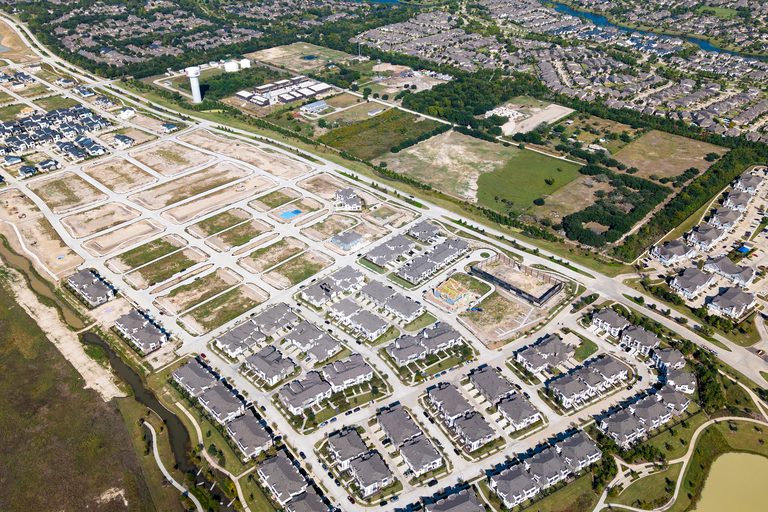
Bridgeland, a master‑planned community in northwest Houston, now houses about 30,000 people and more than 10,000 homes. The development, led by Howard Hughes Communities, is roughly halfway to its projected 70,000‑resident, 23,000‑home completion.
Growth drives service planning
Local officials say the surge in residents requires more than just new roofs. “As people move into the area, businesses follow, and fast‑growing communities need anchors that create activity, infrastructure that keeps pace, and partnerships that support long‑term value,” Howard Hughes Communities said in a statement.
In response, the Cy‑Fair Fire Department (CFFD) is incorporating the expansion into its 2026‑27 budget. Assistant Chief of Administration Mike Clements explained that the department, working with HdL Companies and the Planning and Standards Authority (PASA), projected the “total‑build‑out dollar figure” needed for staffing and constructing new stations.
Fire‑station study calls for eight new stations
A 2023 Citygate study recommended adding eight stations to match future growth and to fill gaps in existing coverage. Clements noted community questions about whether western growth will fund the new stations, and data shows it will not. Currently, about 80% of CFFD’s budget goes to employee expenses such as payroll and insurance, and the recurring costs of new stations would exceed projected tax revenues after construction.
PASA forecasts a 21% population increase within CFFD’s coverage area by 2035, with the bulk of that growth concentrated along Highway 99 in the western sector, where the first two new stations are slated to open.
School district implications
Despite the development, Cy‑Fair ISD (CFISD) does not expect a major enrollment boost. Superintendent Douglas Killian said newer Bridgeland homes are unlikely to drive a surge in student numbers. Most of the new housing will be zoned to Waller ISD, with some southern sections feeding Katy ISD, according to Bridgeland’s website.
Killian also highlighted a broader trend: declining birth rates in established Cy‑Fair neighborhoods and a shift of families away from city centers, a pattern echoed statewide.
Geographic and demographic outlook
U.S. Census Bureau data shows western ZIP codes in the Cypress area experiencing steeper population gains than eastern ones. PASA data confirms that residential development will remain uneven, with the western and northwestern corridors offering the most potential for new homes.
As the Cypress region stabilizes, local leaders will continue to balance infrastructure needs with fiscal realities, ensuring that growth translates into sustainable services for both long‑time residents and newcomers.
Original reporting: Community Impact — Houston — read the source article.