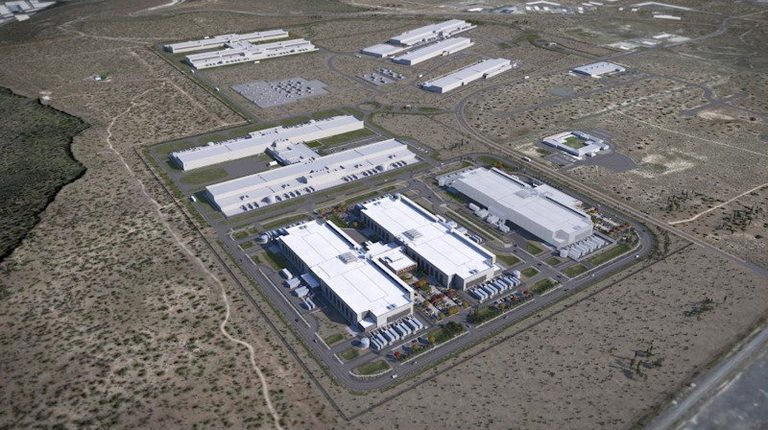
The Oregon Public Utility Commission (OPUC) voted today to create a new customer class for large data centers that draw 20 megawatts or more of power. Under the new tariff, these facilities must sign long‑term service agreements and pay the full cost of the electric infrastructure and power they use. The move is intended to give existing utility customers greater financial certainty while still allowing Oregon to attract new technology investment.
Background and legislative basis
The tariff implements the POWER Act, a state law enacted in 2025 after concerns grew that rapidly expanding data centers could drive up electricity rates for ordinary households and businesses. The act was crafted to balance economic development with ratepayer protection.
Stakeholder agreement
The policy reflects a consensus reached this fall among Pacific Power, OPUC staff, the Oregon Citizen’s Utility Board, and the Green Energy Institute. All parties agreed that a transparent cost‑allocation model would address the rising demand for high‑capacity computing while preserving affordability for current customers.
Industry response
Rick Link, senior vice president of planning and regulation for Pacific Power, praised the framework. “As Oregon continues to attract investment and economic development, it’s important that growth happens in a way that protects affordability for the customers we serve today,” Link said. “This approach will ensure that new large energy users pay their own way while supporting continued economic opportunity across the state.”
Impact on existing ratepayers
By assigning the full cost of electricity service directly to the new class of data centers, the tariff shields existing residential and commercial customers from bearing a share of the infrastructure upgrades required for high‑capacity computing facilities. The commission expects the measure to provide clearer cost signals for future data‑center projects and to prevent indirect rate increases.
Implementation timeline
The tariff will become effective on January 1, 2027. Facilities that meet the 20‑megawatt threshold will need to negotiate service contracts with Pacific Power before that date to ensure compliance.
What this means for Oregon’s economy
Oregon has positioned itself as a hub for technology and cloud services, drawing interest from major national and international firms. The new tariff aims to sustain that momentum by offering a predictable regulatory environment for investors while safeguarding the affordability of electricity for families and small businesses across the state.
Local perspective
Local business leaders and community groups have expressed cautious optimism. Many see the tariff as a responsible step that balances job creation with the everyday cost of living. The Oregon Citizen’s Utility Board noted that the measure aligns with the state’s broader goal of responsible energy stewardship.
Overall, the OPUC’s decision reflects a pragmatic approach: encouraging high‑tech growth, protecting ratepayers, and ensuring that the state’s power grid can support future demand without imposing hidden costs on ordinary Oregonians.
Original reporting: KTVZ (Central Oregon) — read the source article.