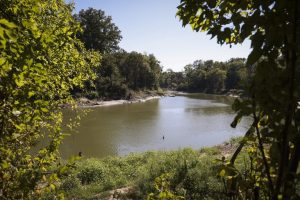
Montana’s treasured public lands are once again at the center of a federal debate. The U.S. Department of the Interior recently released a Strategic Plan that includes selling federal acreage to state and local governments, as well as to Native American tribes. While the agency argues the sales would cut management costs, give local communities more control, and funnel revenue into conservation programs, many Montanans fear the loss of open access that has defined the state’s outdoor heritage.
Interior’s Rationale
According to the Department’s announcement, selling land would lower the expense of overseeing millions of acres, allow local entities to decide how the land is used, and concentrate federal resources on protecting larger, contiguous public areas. The plan also proposes directing any proceeds toward additional conservation efforts.
Local Concerns About Access
Critics point out that once public land passes into private hands, it often becomes inaccessible to the broader public. “I wouldn’t let one acre go,” Senator Tim Sheehy said, emphasizing that the very essence of Montana’s public lands is their openness to everyone, regardless of wealth or political affiliation. Senator Steve Daines, who has repeatedly spoken against similar proposals, joined Sheehy in condemning the plan, noting that past attempts to sell federal land have been rejected by Montana’s elected officials.
Impact on Outdoor Traditions
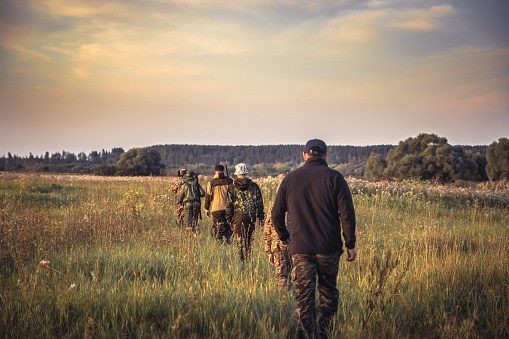
For many Montanans, public lands provide the backdrop for hunting, fishing, camping, and family outings that shape community life. The author of the original commentary described countless personal memories—early‑morning elk hunts, summer river fishing, and evenings around campfires—that were possible because the land remains publicly owned. Losing even a small parcel could mean a future where gates close on beloved trails and waterways.
Economic Arguments vs. Heritage Preservation
While the Interior Department highlights potential economic benefits for local jurisdictions, opponents argue that short‑term revenue does not outweigh the long‑term cultural and recreational value of keeping land in the public trust. They also note that the Department did not identify specific parcels in Montana, leaving residents uncertain about which areas might be targeted.
What Comes Next?
Montana’s congressional delegation is expected to continue pressing the administration to halt any land‑sale initiatives. The senators’ public statements suggest they will work with state leaders to protect the state’s open spaces. As the discussion unfolds, Montanans are urged to stay informed and voice their support for preserving unrestricted access to the lands that define their way of life.
Why This Matters
Public lands are a cornerstone of Montana’s identity and economy, drawing tourists, supporting outdoor recreation businesses, and providing a natural classroom for families. Maintaining these lands under federal stewardship ensures that future generations can experience the same freedoms that have long been a source of pride for the state.
Original reporting: NewsTalk KGVO 1290 (Townsquare) — read the source article.