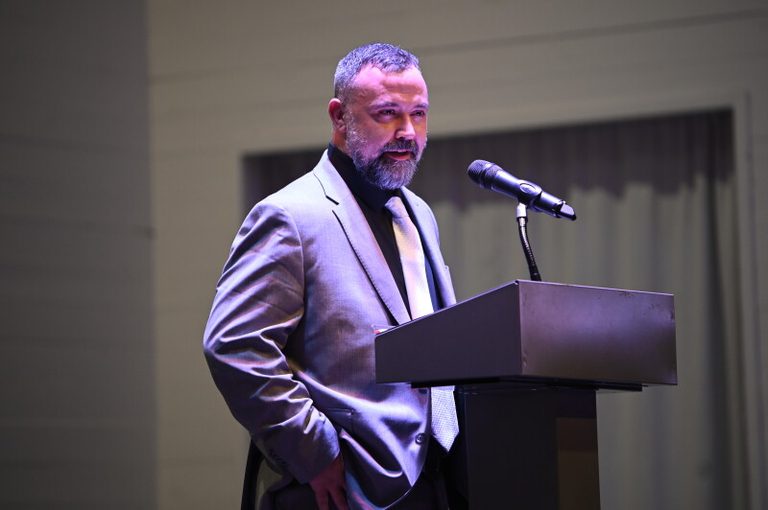
Rapid City, S.D. — On Thursday morning, students gathered at the Monument for a vital education session on fentanyl prevention and the life‑saving safeguards offered by South Dakota’s Good Samaritan laws. The event was hosted by Emily’s Hope, a nonprofit founded by award‑winning journalist Angela Kennecke, who lost her 21‑year‑old daughter to fentanyl poisoning.
Why Good Samaritan Laws Matter
Kennecke explained that South Dakota’s Good Samaritan statutes protect anyone who calls 911 during an overdose from prosecution for drug‑related offenses. “The law is clear: if you see someone in danger, you should call for help without fear of being charged,” she said. This legal shield encourages timely emergency response, which can be the difference between life and death.
Education and Naloxone Awareness
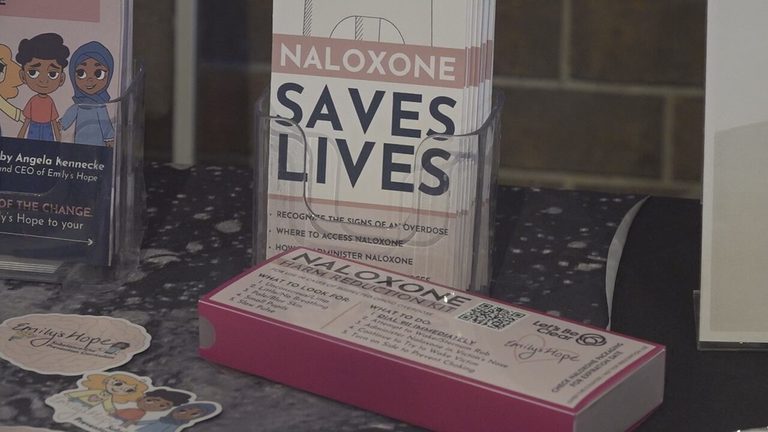
The presentation emphasized two practical steps for students and families: recognizing the signs of an opioid overdose and having naloxone (Narcan) on hand. Kennecke demonstrated how naloxone works to reverse the effects of opioids within minutes, stressing that the medication is safe, easy to administer, and widely available at pharmacies and community health centers.
Community Support and Faith‑Based Outreach
Emily’s Hope, rooted in a family’s grief and a Christian commitment to protect life, partners with local schools, churches, and law‑enforcement agencies to spread awareness. The organization’s mission aligns with the values of traditional families and individual liberty by empowering parents and young people to act responsibly without government overreach.
Local Response
Rapid City officials praised the effort, noting that education initiatives complement the state’s broader public‑health strategy. “We are grateful for partners like Emily’s Hope who bring critical information to our youth,” said a Rapid City school district spokesperson. The district plans to incorporate overdose‑prevention training into health curricula across the city.
Call to Action
Kennecke urged students to share what they learned with friends and family, to keep naloxone kits accessible, and to never hesitate to call 911 if an overdose occurs. “Our Good Samaritan laws exist to protect you when you do the right thing,” she reminded the audience.
For more information on obtaining naloxone and understanding South Dakota’s Good Samaritan protections, visit the South Dakota Department of Health website or contact Emily’s Hope directly.
Original reporting: KOTA (Gray) – local — read the source article.