FORT WAYNE, Ind. – With autumn settling over Northeast Indiana, AAA is issuing a timely reminder for local drivers to stay vigilant against seasonal road dangers. Wet and dry leaves, increased deer activity, reduced visibility at dusk, and the presence of farm equipment all combine to make fall driving more challenging.
Leaves can create multiple problems
Falling foliage can clog windshield wipers, block ventilation systems, and even damage paint if it sits on a vehicle’s surface for too long. AAA advises motorists to remove leaves by hand or with a blower rather than using abrasive brushes. Drivers should also clear the space between the windshield and hood, where wet debris can collect, cause unpleasant odors, or interfere with vehicle electronics.
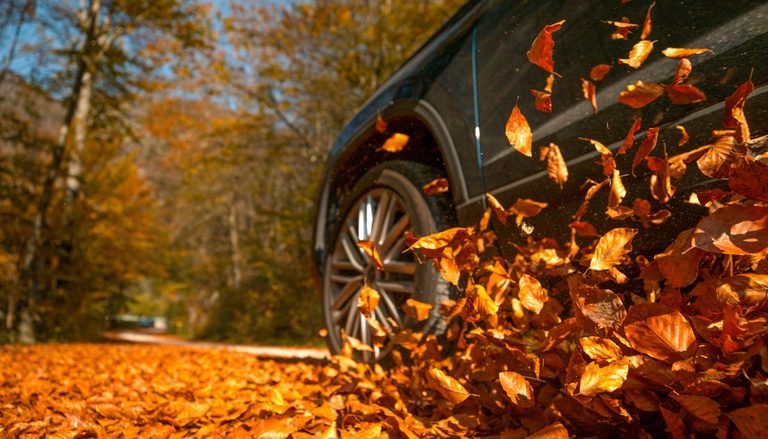
Wet leaves become slippery, so slowing down and increasing following distance is essential. If a vehicle begins to skid or hydroplane on a leaf‑covered road, AAA recommends releasing the accelerator and steering in the desired direction instead of slamming on the brakes.
Hidden hazards and fire risk
Leaves can conceal potholes, curbs, road debris, and faded traffic markings. Drivers are urged to stay alert for obstacles that may be difficult to see, especially around large piles where children or animals might be hiding.
Dry leaves pose a fire danger when they come into contact with the heat from an exhaust system or catalytic converter. AAA cautions motorists not to park on leaf piles and to keep leaf debris away from garages.
Deer and reduced visibility
Autumn brings an uptick in deer‑related crashes, particularly during sunrise and sunset. AAA recommends watching for deer‑crossing signs and looking for the reflective eyes of animals along the roadway. If a collision cannot be avoided, drivers should brake firmly and stay in their lane rather than swerving.
Earlier sunsets mean more time spent driving in darkness. AAA suggests maintaining a speed that allows enough stopping distance for obstacles illuminated by headlights. Use high beams when appropriate, but switch to low beams when approaching oncoming traffic or following another vehicle. In fog, reduce speed and keep headlights on low beam.
Sharing the road with school buses and farm equipment
School buses and agricultural machinery add extra challenges during fall travel. When a bus displays flashing yellow lights, motorists should slow down; when red lights flash and the stop arm is extended, drivers must stop until the arm is withdrawn and children have cleared the roadway.
Farm equipment such as tractors and combines travels at slower speeds and often has limited visibility. AAA advises giving these vehicles plenty of room, following normal passing rules, avoiding passes on hills or curves, and never crossing a double‑yellow line to get around them.
Vehicle preparation tips
Before hitting the road, drivers should check tire pressure and tread depth. The National Highway Traffic Safety Administration deems tires with 2/32 of an inch of tread unsafe, so AAA recommends replacing tires before they reach that wear level. Keeping windshields clean and ensuring headlights function properly are also critical steps for safe fall driving.
By taking these precautions, Fort Wayne motorists can enjoy the beauty of the season while minimizing the risk of accidents on the road.
Original reporting: WOWO News/Talk (Fort Wayne) — read the source article.