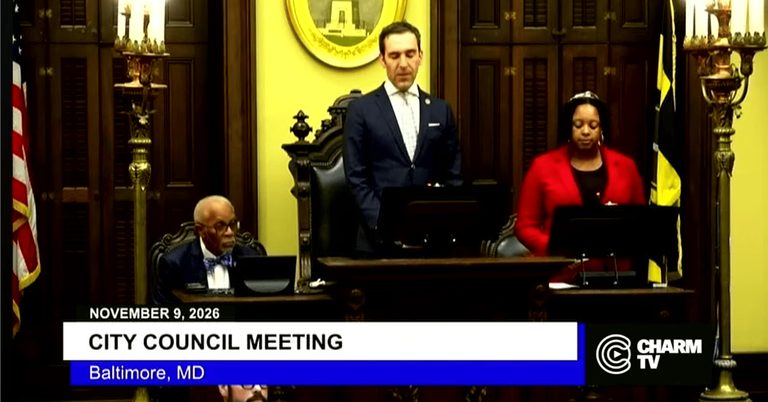
The Baltimore City Council voted 12‑1 on Monday to establish a Department of Neighborhood Safety (DNS), a new branch of public safety designed to change how 911 calls involving mental‑health crises are answered. Council President Zeke Cohen said, “No one should lose their life to a mental health crisis,” and praised the legislation for sending Baltimoreans the right help when they need it most.
How the new department will work
Under DNS, 911 dispatchers will be authorized to refer callers experiencing a mental‑health emergency to a licensed clinician rather than automatically dispatching police. The Mayor’s Office explained that the department will also create “care continuity teams” composed of peers and social workers who will provide case‑management support after a resident’s interaction with a community‑based response team.
Background and need
The move follows a series of fatal police shootings in 2025 involving residents in mental distress, including the June death of 70‑year‑old Pytorcarcha Brooks, who barricaded herself during a crisis. Cohen noted, “After we lost Ms. Brooks, this council asked hard questions. Why weren’t calls like these receiving a mental health crisis response?”
Baltimore already operates a 911 diversion program through Behavioral Health System Baltimore (BHSB), which triages mental‑health‑related calls to the state’s 988 crisis hotline. BHSB will continue to operate within DNS, and its vice president, Adrienne Breidenstine, said a non‑law‑enforcement response brings the city “a step closer to providing people in distress the right help anywhere, anytime.”
Funding and staffing
The city estimates the department will cost $16 million and handle roughly 22,000 calls per year. Funding will support the expanded clinician referrals, the care continuity teams, and the integration of existing resources such as the Mayor’s Office of Neighborhood Safety and Engagement (MONSE), which was created in 2020 to address gun violence as a public‑health issue. Stefanie Mavronis, director of MONSE, will remain in her role within DNS.
A nationwide search will be launched for an executive director to lead DNS alongside Mavronis. Once the director is hired, the Mayor’s office expects the department to become operational within the year.
Community impact
Local advocates and faith‑based groups have welcomed the shift toward a compassionate, non‑law‑enforcement response for mental‑health emergencies. They argue that providing trained clinicians and ongoing case management respects the dignity of individuals and aligns with traditional family values that prioritize care and safety.
City officials anticipate that DNS will reduce unnecessary police encounters, lower the risk of tragic outcomes, and free up law‑enforcement resources for violent crime. By addressing mental‑health crises with professional clinicians, Baltimore hopes to set a model for other municipalities seeking to balance public safety with compassionate care.
Original reporting: Baltimore Fishbowl — read the source article.