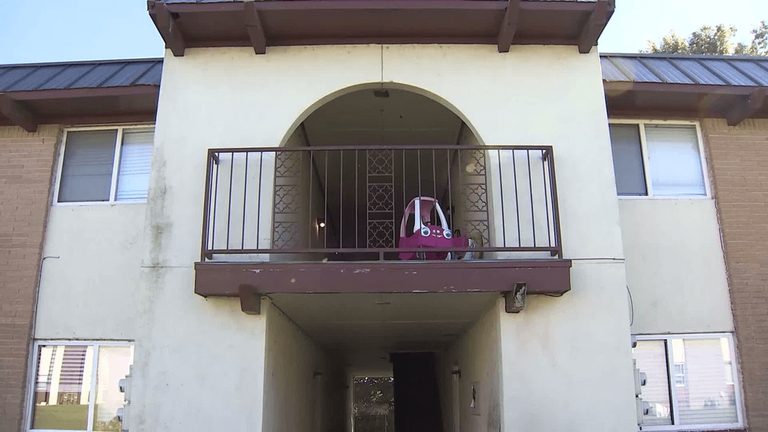
Cushing, Oklahoma – A longtime resident of Crossroads Villa Apartments is sounding the alarm over persistent water leaks, structural damage and what she believes to be black mold in her unit. Chaunte Henley, who lives with her daughter, says the problems have been present for years despite repeated requests for repairs.
Tenant describes unsafe living conditions
Henley told reporters that she pays $940 a month for a home she expects to be safe and dry. “If we wanted to get rained on every time it rained, we’d keep our money and live on the street,” she said. She added that the apartment’s ceiling leaks, an unstable floor in her daughter’s bedroom, and mold‑laden air‑conditioning vents have caused both of them to cough badly and experience lung discomfort.
According to Henley, management’s responses have been limited to cosmetic fixes. “Anything that I ask them to work with or fix, they’ll come in and paint or something like that but they never address the real issues,” she said. When new vents were installed, she says spores were visible in the bathroom vent, and staff dismissed the finding as “popcorn from the ceiling,” a claim Henley says makes no sense.
Other residents report similar problems
Another tenant, who asked to remain anonymous, showed photographs of what appeared to be black mold spreading through their apartment and said they were eventually moved to a different unit. The pattern suggests a broader issue affecting multiple renters at the complex.
City code enforcement response
Henley and other tenants have reached out to the property manager multiple times, most recently on November 9, without receiving a reply. On November 6, they also contacted Cushing City Code Enforcement to determine whether the conditions violate municipal housing codes.
Ryan Ochsner, Cushing’s city manager, issued a statement clarifying the city’s role. “The City’s role is focused on enforcing municipal codes and standards that apply to the exterior condition of properties and other matters within the City’s regulatory authority,” Ochsner said. He added that interior maintenance disputes, including landlord‑tenant issues, are generally governed by civil law under Oklahoma statutes. However, Ochsner confirmed that when the city becomes aware of potential code violations, it will investigate them within its jurisdiction and continue communication with the property owner.
Tenant seeks legal counsel
After years of unanswered requests, Henley has engaged a mold‑consulting firm to explore legal options. She emphasizes that she is not demanding extra compensation; she simply wants assurance that her home is safe for her and her daughter to sleep in.
“I don’t know what to do. The one thing I do know is I would love a safe place to go,” Henley said. “I would love to be able to walk into my home in the evening, put my feet up and just relax, and I haven’t been able to do that in a long while.”
What renters can do
Oklahoma law provides tenants with several avenues to address unsafe conditions, including filing a complaint with the local code‑enforcement office, requesting a professional inspection, or pursuing legal action for breach of the implied warranty of habitability. Residents are encouraged to document issues with photos, keep written records of all communications with landlords, and consult an attorney familiar with landlord‑tenant law if the situation does not improve.
City officials say they will monitor the situation and act if the property is found to be in violation of municipal standards. In the meantime, Henley and other affected renters hope for a prompt resolution that restores a healthy living environment.
Original reporting: KTUL 8 (Sinclair) – local — read the source article.