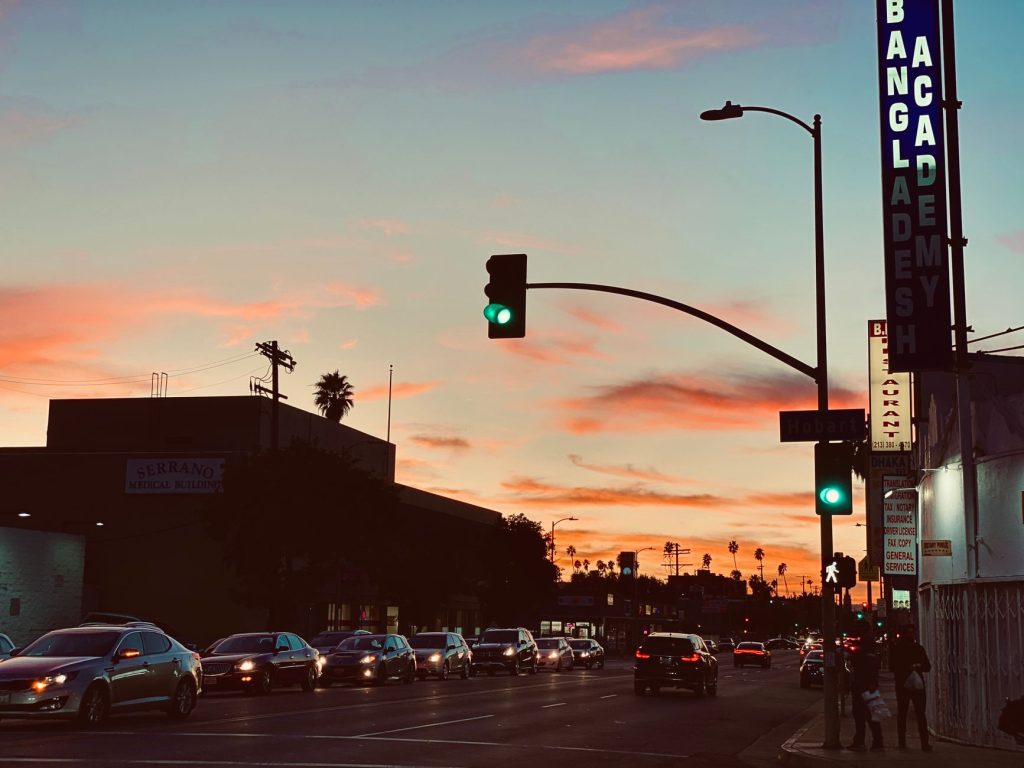
Lupe’s Cocina sits on a stretch of César Chávez Avenue that hasn’t changed much in thirty years, and that’s part of its appeal. The storefront is small — maybe ten tables inside, a hand-painted menu board above the counter, and a rotating glass case near the register that holds whatever tamales are ready that day. On a Tuesday afternoon, that might be rajas con queso and a chicken mole. On a Saturday morning, it could be sweet tamales stuffed with raisins and cinnamon sugar, still warm from the steamer in the back.
The tamales are the draw, but they’re not the whole story. Lupe herself — Guadalupe Ramos, who opened the place with her sister in the late 1990s — runs the kitchen with a small crew that shifts depending on what’s coming in from the market. When chiles are good, the green chile pork shows up on the board. When squash is in season, so is a vegetarian version that gets underestimated until someone actually tries it. Nothing is listed online. The only way to know what’s available is to walk in.
The rhythm of the place rewards regulars. Morning is quieter — coffee drinkers, a few construction workers picking up orders to go, maybe a grandmother with a tote bag and a standing reservation on the last pot of atole. By noon, the counter gets busy. Weekend afternoons can test patience; the room fills fast and the tamales don’t last much past two o’clock. Coming early isn’t optional so much as it is practical strategy.
Prices have stayed reasonable by any standard. A single tamale runs around two dollars and fifty cents. A plate of three with beans and rice lands somewhere around nine or ten. Horchata is poured from a pitcher, not a machine, which makes a difference. The agua de jamaica — when it’s available — has a tartness that cuts through the masa in exactly the right way.
What separates Lupe’s from the tamale-and-combo-plate category is the specificity of the cooking. The masa is seasoned, not bland. The fillings are built from scratch, not reheated from bulk preparation. The chile colorado in the pork version has depth without being aggressive — a slow heat that shows up after a few bites and stays there. It’s the kind of cooking that reflects decades of adjustment and repetition, not a recipe written down once and never reconsidered.
East Los Angeles has no shortage of places serving tamales, and that’s the point. Lupe’s doesn’t position itself against any of them. It just opens its doors in the morning, puts out whatever’s ready, and waits for the room to fill up. It fills up. The neighborhood knows what it has.