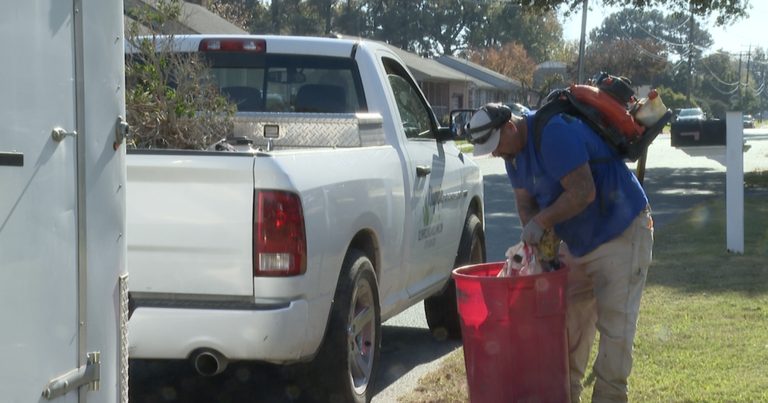
Olympic Land and Lawn, a small landscaping business operating out of Portsmouth, Virginia, is feeling the pinch of high fuel prices despite recent national headlines touting gasoline dropping below $4 a gallon. Owner Bryant Edwards says the cost of gasoline is a major expense he can’t control, and it’s shaping the company’s daily routes.
Fuel costs drive service reductions
“The price of gas going up and going down, I have no control over, so I’m at the mercy of the pump,” Edwards told reporters. The company’s trucks and equipment require regular refueling, with weekly fuel bills ranging from $80 to $100 for the truck and about $45 for mowers and weed eaters two or three times a week.
Those numbers add up. Edwards noted that Olympic Land and Lawn spent just over $2,400 on fuel during the same period last year. This year, that figure has already climbed to more than $8,800, a stark illustration of how volatile fuel costs can erode a small‑business bottom line.
Service area cutbacks
Because of those expenses, the company has been forced to scale back its coverage. “We no longer go into Norfolk. We don’t go into Virginia Beach, and we’ve cut back some of the areas in Suffolk that we cover because of the fuel prices,” Edwards explained. The reductions affect dozens of residential customers who rely on the firm for regular lawn maintenance.
Edwards says the business would feel comfortable if gasoline settled between $2.50 and $3 per gallon. “Anything above $3 starts impacting the bottom line of the business,” he added, underscoring how even modest price shifts can have outsized effects on local entrepreneurs.
National trends vs. local reality
According to the American Automobile Association (AAA), the national average price for regular gasoline fell below $4 a gallon on July 19, reaching $3.99, before climbing back to $4 the next day and staying at or above that level for 113 consecutive days. That stretch was the second‑longest period of $4‑plus prices on record, trailing only a 158‑day stretch from March to August 2022 that followed Russia’s invasion of Ukraine.
AAA attributes the recent dip to seasonal factors such as cheaper winter‑blend gasoline, lower demand, and increased refinery output as maintenance wraps up, along with lower crude oil prices. While those forces are easing the burden for drivers, they haven’t yet translated into relief for businesses like Olympic Land and Lawn that depend heavily on fuel for their operations.
Looking ahead
Edwards remains uneasy about the uncertainty surrounding fuel prices, saying, “It makes me feel, I don’t know, a little uneasy because you never know what the price of gas is, and that’s one of my biggest expenses other than labor.” He hopes that continued refinery production and stable crude prices will keep gasoline from climbing higher, but cautions that any sustained increase above $3 per gallon could force further cutbacks.
For now, the company is focusing on serving its remaining customers efficiently while monitoring fuel trends closely. Residents in the affected neighborhoods are encouraged to seek alternative landscaping providers or consider DIY maintenance until fuel costs become more predictable.
Original reporting: WTKR News 3 (Scripps) – local — read the source article.