LAS VEGAS — The Clark County School District (CCSD) moved forward Thursday night with a plan to bring the district into compliance with Nevada’s 2023 substitute‑teacher benefits law. The plan will require the majority of substitute teachers to work no more than 719 hours per year, a change that could reduce hours for many educators who rely on substitute work for income.
Law requires benefits after 720 hours
The 2023 statute was enacted to give long‑term substitutes state PERS benefits after they log more than 720 hours in a year. Under the law, any substitute who exceeds that threshold must either enroll in the benefits program or limit their hours.
CCSD’s cost‑driven approach
CCSD officials said the district cannot afford to extend benefits to all eligible substitutes without jeopardizing classroom funding. Chief Financial Officer Justin Dayhoff explained that the decision “comes down to cost” and that the district faces a potential liability of “millions of dollars” if it were to retroactively fund benefits for every substitute who crossed the 720‑hour line.
Dayhoff noted that the district’s non‑compliance over the past three years involved roughly 2,600 employees and an estimated $48 million in unpaid contributions. He added that the district is already implementing corrective actions and has “brought itself into compliance.”
Limited group of SOSAs exempted
To balance fiscal responsibility with the law’s requirements, CCSD will allow a select group known as SOSAs—Substitutes on Special Assignment—to exceed the 719‑hour cap. These SOSAs typically fill longer‑term roles that the district deems essential. All other substitutes will be required to stay at or below the 719‑hour limit.
Substitute teachers voice concerns
Substitute teachers expressed frustration with the new limits. Lois Glenn‑Carter, a long‑time CCSD substitute, said, “Substitute teachers did not request that their working hours be restricted, nor should they bear the consequence of the district’s failure to implement the legislation.” She urged the board to review every eligible long‑term substitute and determine the full retroactive financial obligation.
Kimberly Johnson, another substitute, described the impact on her schedule: “It’s crazy. Some will be done at the end of the semester. Some of us will be done by the end of January.” Johnson, who also works as a musician, said the reduced hours could affect her supplemental income.
Board discussion and next steps
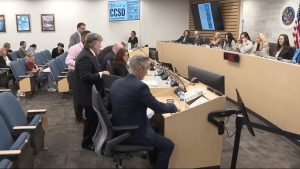
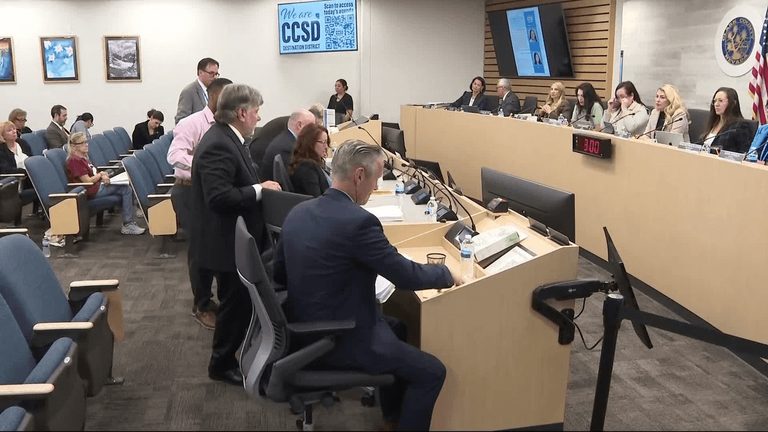
The plan was approved during a joint meeting of the CCSD Board of Trustees and the Audit Advisory Committee. Board President Emily Stevens asked why the district did not wait until the upcoming February legislative session to implement the changes, prompting a discussion about the timing and potential consequences.
CCSD also announced a freeze on adding new substitutes to the pool while it reassesses the policy. The district said it will revisit the freeze once the current compliance measures are fully in place.
What this means for families
Parents and students in the district may notice fewer substitute teachers available for extended assignments, but officials argue that keeping the district financially stable ensures that classroom resources remain intact. By limiting the liability associated with the benefits law, the district hopes to protect funding for core instructional programs.
Community members are encouraged to attend future board meetings to stay informed about how the policy evolves and to voice any concerns about the impact on substitute educators and classroom continuity.
Original reporting: News 3 KSNV Las Vegas (local) — read the source article.