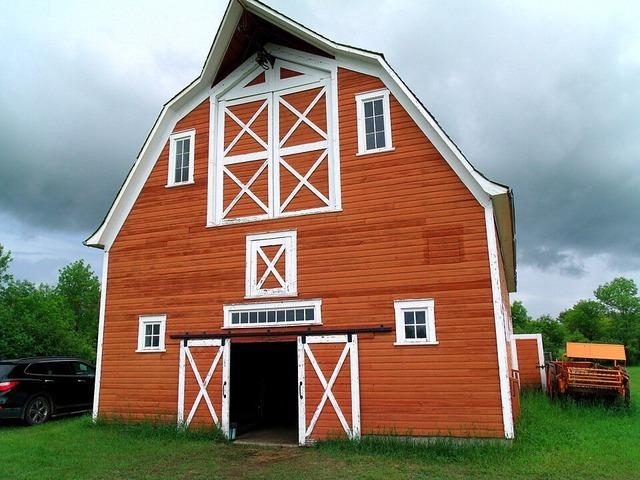
Driving through the rolling hills of East Tennessee, you’ll see countless red barns lining the roads. While the bright hue may seem decorative, its origins lie in the practical needs of early American farmers.
Homemade Paints and Iron Oxide
Before the rise of commercial paint, farmers protected wooden structures with simple mixtures of linseed oil, milk and lime. Adding iron oxide—commonly known as rust—gave the coating a reddish tint and helped shield the wood from the elements. Iron oxide was inexpensive and readily available, making it a sensible choice for hardworking families.
Cost, Availability and Tradition
When manufactured paints entered the market in the 19th century, red pigments remained among the cheapest options. Generations of farmers, accustomed to the familiar shade, continued to choose it for new barns and for repainting older ones. The combination of low cost, easy access and tradition cemented red as the default barn color.
Myths About Warmth
Some claim that red barns absorb more sunlight, keeping livestock warmer in winter. While darker colors do capture more solar energy, the primary drivers of red’s popularity are practicality and tradition rather than thermal benefits.
From Practical Solution to Symbol
What began as a cost‑effective protective coating evolved into an iconic element of American agricultural heritage. Today, even as farmers have a wide palette of paints and building materials, red barns remain a beloved reminder of rural life and the ingenuity of past generations.
The next time you pass a red barn on a Tennessee backroad, you’ll know the simple, frugal history behind its familiar color.
Original reporting: Knox TN Today — read the source article.