FARGO, N.D. – The United States Department of Agriculture reports that a proposal from the Trump administration could cause more than 6 million people to lose their SNAP benefits. While the change is slated to take effect in 2029, local food‑assistance providers are already preparing for a surge in need.
Great Plains Food Bank braces for increased demand
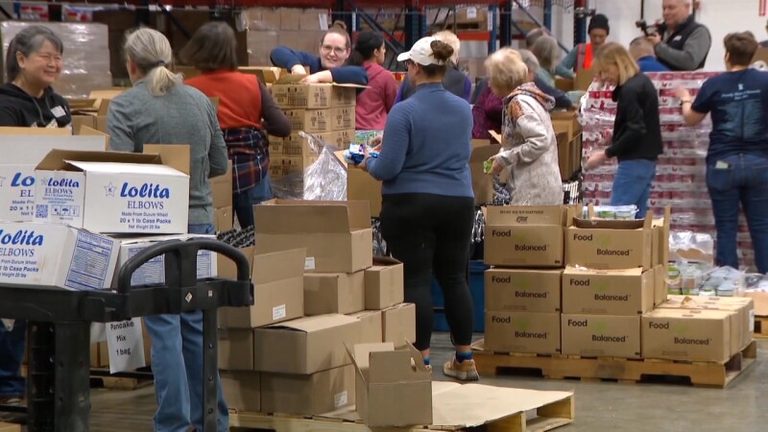
Great Plains Food Bank, the primary supplier for over 200 pantry partners across North Dakota and Clay County, Minnesota, served more than 185,000 individuals last year and expects to match that figure this year. COO Kate Molbert says the organization is seeing food move through its warehouse faster than ever, creating challenges in keeping shelves stocked.
“We are seeing food come in and out of our warehouse at a much faster turn than we saw in the last year. So we’re just having trouble keeping food on the shelves,” Molbert said on Thursday, Nov. 12.
The proposed SNAP rule would tighten eligibility by linking grocery assistance more closely to the federal Temporary Assistance for Needy Families (TANF) program. Although the administration argues the change is intended to focus resources on families most in need, critics warn it could leave many vulnerable households without essential nutrition support.
Impact on school meals and families
Under the proposal, families who lose SNAP benefits could also lose automatic access to free school meals. USDA estimates that most of the affected children would still qualify for free or reduced‑price meals through other channels, but the transition could create gaps, especially during summers and weekends when school meals are unavailable.
Molbert notes that the food bank already experiences heightened demand during school breaks. “Summers, weekends, anytime when kids aren’t in school is a busy season for us,” she explained.
Community response and donations
Great Plains Food Bank is reaching out to growers, manufacturers, and local stores for additional donations. The organization also relies on individual contributions, employing a strategic purchasing team that can stretch limited funds.
“We also rely on individual donations. So we have a pretty strategic purchasing team that can buy a lot with a little,” Molbert said.
Political backdrop
The SNAP proposal remains a draft, and Congressional Democrats are urging a delay in its implementation. The administration’s effort reflects a broader push to ensure federal assistance programs are targeted and fiscally responsible, aligning with the Trump administration’s emphasis on limited government and personal responsibility.
As the policy debate continues, Fargo residents and regional partners watch closely, aware that any shift in federal nutrition assistance could directly affect the food security of thousands in the community.
Original reporting: InForum (Fargo section) — read the source article.