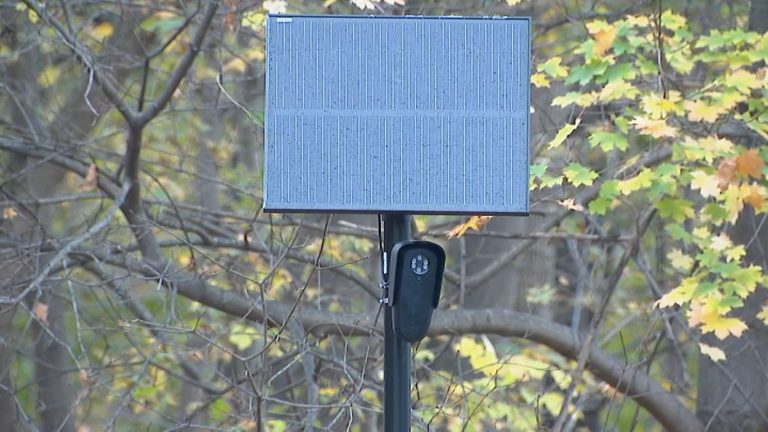
Lowell officials have moved to restore the controversial Flock Safety surveillance system that was suspended in September over privacy worries. During a closed‑door executive session last month, the Lowell City Council voted to turn on more than 40 automated license‑plate‑reader cameras that monitor traffic throughout the city.
Background on the Flock system
Flock Safety provides cameras that capture license‑plate data and use automated software to flag vehicles of interest. In recent months, dozens of Massachusetts municipalities have ended contracts with the company amid growing public concern about the technology’s impact on civil liberties.
City Council decision
The council’s vote was taken in an executive session, a procedural move that DeFlock Lowell, a local advocacy group opposed to the technology, says breaches Massachusetts’ open‑meeting law. DeFlock has filed a formal complaint alleging that the council should have conducted the vote in a public session.
“Ideally, we’d like to see what I believe 20 other communities in Massachusetts have done, and that would be to eliminate Flock and any other service providers from the city of Lowell,” said Matthew Lucas of DeFlock Lowell.
Council members’ positions
Only Councilor Sean McDonough voted against reactivating the cameras. He expressed confusion about the decision, stating, “I truly don’t understand why my colleagues felt that was the right thing to do.”
Councilor Rita Mercier defended the move, saying, “The value of good outweighs the bad, so I support the Flock cameras, and we agreed to have them turned on, and people found out about it, and they’re upset about it.” When pressed about the closed‑door vote, Mercier replied, “It was on the agenda. That’s why we went in there. The rest, you’ll have to ask the city manager, and that is not me.”
City officials’ response
Attempts by NBC10 Boston to reach City Manager Thomas Golden Jr. and the Lowell Police Department for comment went unanswered at the time of publication.
Legal and community implications
Massachusetts’ open‑meeting law requires that public bodies conduct business in a manner that is open to the public, with limited exceptions for executive sessions. Critics argue that the council’s decision to vote behind closed doors sidestepped this transparency requirement, potentially setting a precedent for future municipal actions.
Supporters of the cameras argue that the technology helps law‑enforcement quickly identify stolen vehicles, locate missing persons, and deter criminal activity. They contend that the benefits to public safety justify the limited privacy intrusion.
What’s next?
DeFlock Lowell’s complaint will be reviewed by the appropriate state authorities, who will determine whether the council’s executive‑session vote violated open‑meeting statutes. The outcome could influence how other Massachusetts towns handle surveillance technology and public‑meeting requirements.
Residents who wish to voice their opinions are encouraged to attend upcoming public council meetings, submit written comments to the city manager’s office, or contact DeFlock Lowell directly.
Original reporting: NBC10 Boston — read the source article.