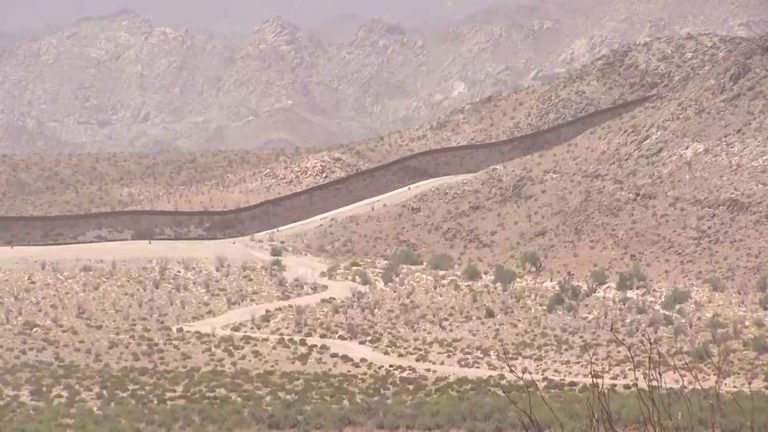
Yuma, AZ – Humane Borders, a nonprofit that provides water stations for travelers crossing the desert, reported that the remains of 12 migrants were found in the Arizona desert during October. The organization says the number is anomalous for the month, which historically sees far fewer recoveries than the summer peak.
Permit removals raise concerns
Federal agencies—including the National Park Service, the Bureau of Land Management and the Fish and Wildlife Service – declined to renew permits for a dozen of Humane Borders’ water stations, ending a partnership that had lasted 25 years. “We had water stations with the National Park Service, Bureau of Land Management and Fish and Wildlife,” said Octavio Fuentes, Humane Borders’ executive director. “That’s where our water stations were at recently, but were removed.”
Fuentes emphasized that it is too early to determine whether the loss of the stations directly contributed to the October deaths, but the timing has prompted a petition calling for the permits to be restored. The petition has already gathered more than 1,000 signatures.
Seasonal patterns and recent findings
Historically, the highest monthly totals of migrant remains are recorded in June and July, when desert temperatures soar. “When I saw the number of 12, it was anomalous because usually October isn’t as high,” Fuentes explained. “Our highest numbers are in June, July historically, of course, because of the heat.”
According to Fuentes, 101 migrant remains have been found in Arizona so far this year, including 38 on federal land. Of the October discoveries, ten were estimated to be six to eight months old, while the most recent find was about five weeks old. July remains the peak month for the year, with 19 recoveries.
Humane Borders’ ongoing efforts
Despite the permit setbacks, Humane Borders says roughly 70% of its water stations remain operational in other parts of the desert. The organization continues to monitor conditions, coordinate with local authorities, and advocate for the restoration of the removed permits.
Community members and advocacy groups have expressed concern that the removal of water stations could increase the risk of dehydration and death for migrants attempting the hazardous crossing. The petition’s momentum reflects a broader local desire to maintain life‑saving resources in the desert while broader immigration‑enforcement policies are debated at the state and federal levels.
What residents can do
Residents of Yuma and surrounding areas who wish to support Humane Borders can add their name to the petition, donate to the nonprofit, or volunteer to help maintain existing water stations. The organization encourages anyone with information about missing migrants or unsafe desert conditions to contact local law‑enforcement or the group directly.
As the discussion over federal water‑station permits continues, Humane Borders urges policymakers to consider the humanitarian impact of removing essential resources in a region where extreme heat and limited water can be fatal.
Original reporting: azfamily KTVK/KPHO Phoenix (news) — read the source article.