Redding residents woke to a hazardous air quality index (AQI) of 229, a level classified as “very unhealthy” by the Environmental Protection Agency. The spike is linked to several prescribed burns that the U.S. Forest Service and local agencies have been conducting across Shasta County to reduce fuel loads and protect communities from larger wildfires.
Prescribed burns driving the smoke
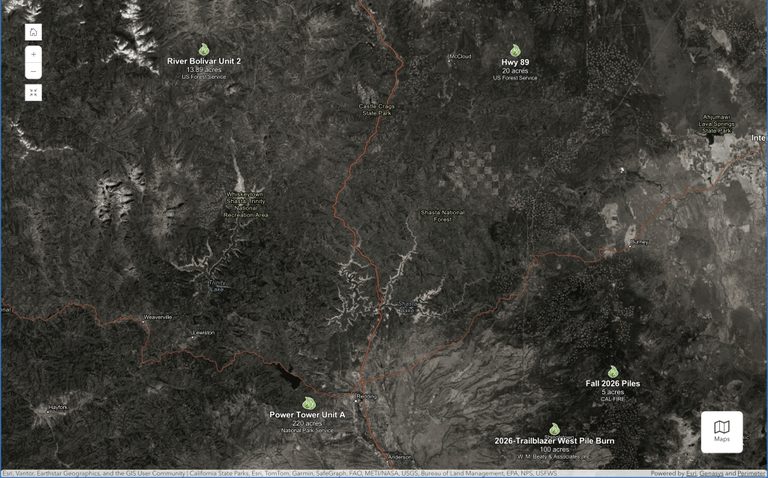
Since November 10, the Shasta‑Trinity National Forest has been conducting a nearly 5,000‑acre prescribed burn that will continue into next week. The operation includes fire lines near McCloud, Shasta Lake and McFarland. In addition, the Whiskeytown National Recreation Area carried out a 600‑acre prescribed fire on November 9‑10. These controlled burns are a proactive measure to thin dense vegetation, a strategy supported by many fire‑management experts.
Health guidance for families and vulnerable groups
When the AQI reaches “very unhealthy” levels, the EPA recommends that people, especially babies, children, pregnant women, seniors and anyone with heart, lung or diabetes conditions, stay indoors, close windows, and wear N95‑type masks if they must go outside. Running an air purifier can also help reduce indoor particulate matter.
Local health officials echo these recommendations, noting that smoke inhalation can irritate eyes and airways, worsen asthma, increase the risk of cardiac events and strokes, and impair the body’s ability to fight off respiratory infections.
Air quality outlook
By early afternoon, the AQI had fallen to the “unhealthy for sensitive groups” range, offering some relief for the broader population. Forecasts suggest that the air will continue to improve overnight, returning to safe levels by the following morning.
Residents can monitor real‑time conditions on the EPA’s AirNow website or through local news alerts. Staying informed allows families to make prudent decisions about outdoor activities, school attendance and travel.
Why prescribed burns matter
Prescribed fires are a key tool in the fight against catastrophic wildfires that have devastated California in recent years. By intentionally burning under controlled conditions, land managers reduce the amount of combustible material that fuels uncontrolled blazes. While the short‑term smoke can be uncomfortable, the long‑term benefit is a lower likelihood of a massive, uncontrolled wildfire that threatens homes, businesses and lives.
Community leaders, including Shasta County supervisors, have emphasized the importance of these burns for public safety, urging patience as the smoke clears. They also stress that the burns are conducted with strict safety protocols and constant monitoring to protect nearby neighborhoods.
What you can do
In addition to following health advisories, residents can:
- Check the AirNow website or local apps for hourly AQI updates.
- Limit outdoor exercise, especially for children and seniors.
- Use air‑conditioning with fresh‑air intake turned off.
- Keep windows and doors closed during peak smoke periods.
By staying informed and taking simple precautions, Redding families can protect their health while the prescribed burns do their essential work of safeguarding the region from future wildfire threats.
Original reporting: Shasta Scout (Redding) — read the source article.