Fort Worth‑based nonprofit Academy 4 continues its monthly Friday program at E.M. Daggett Elementary, providing structured mentorship and enrichment activities for every fourth‑grade student. The initiative, which runs for just over two hours during the school day, brings volunteers from local churches and community organizations to serve as mentors, lead “Spark Clubs” and model leadership skills.
Why fourth grade matters
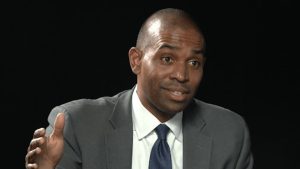
Executive director John Shearer explains that the fourth‑grade year is a pivotal time when children shift from concrete to abstract thinking. “Kids are changing in very big ways in fourth grade. Their thinking changes from concrete to abstract,” he said. “We identified early on that we wanted to talk about leadership with these kids.” The nonprofit’s curriculum uses the acronym LEADERS—listening, respecting others, leading by example, and maintaining a good attitude—to guide weekly workbooks and discussions.
Local impact at Daggett Elementary
On a typical Friday, more than 120 volunteers walk through Daggett’s doors, ensuring that each of the school’s 91 fourth‑graders is paired with a mentor. Volunteers include retirees, defense‑industry employees, and parents who share a desire to give back. Retiree Mike Fox, a former Lockheed Martin employee, said, “I’ve been so fortunate in my life: able to get educated, good job, see the world. If I could share all of that with the kids, that’s great.”
Mentors lead a variety of activities, from cooking classes—like Olivia’s salad project—to chess, basketball basics, medical‑tool explorations and a soccer club. Joy Schwartz, the on‑site coordinator, keeps the day running smoothly, directing volunteers, high‑school helpers and club leaders with a walkie‑talkie and a clipboard.
Growth beyond Fort Worth
Since its founding 15 years ago, Academy 4 has expanded from a single classroom at Daggett to more than 60 Title I schools in cities such as Wichita Falls, Austin and Memphis. The nonprofit’s growth is deliberately paced; each new school must have a committed community partner—often a local church—to supply volunteers. “We will not expand to a new school without a local organization partnering to find the needed volunteers,” Shearer said.
When nearby De Zavala Elementary closed, its church partner transitioned to support Daggett, illustrating the model’s resilience. Similarly, the church that served Edward J. Briscoe Elementary now works with Morningside Elementary, where many former Briscoe students now attend.
Structured mentorship makes a difference
Academy 4’s structured approach sets it apart from many volunteer‑only programs. Every mentor receives a workbook outlining the LEADERS framework, ensuring conversations and playtime are purposeful. “What we do is very focused. It has purpose, meaning and depth,” Shearer noted. Volunteers report that the experience benefits them as much as the children, fostering personal growth and community connection.
Original mentor Pam Darrow, whose faith community at St. Paul Lutheran Church helped launch the program, now serves on the nonprofit’s board. She emphasizes that the partnership between schools and churches strengthens both the volunteers and the students they serve.
Looking ahead
Academy 4 currently has dozens of schools on a waitlist, awaiting the formation of new community partnerships. The organization remains committed to its mission of shaping future leaders by providing consistent, faith‑grounded mentorship during a critical year of development.
Original reporting: Fort Worth Report — read the source article.