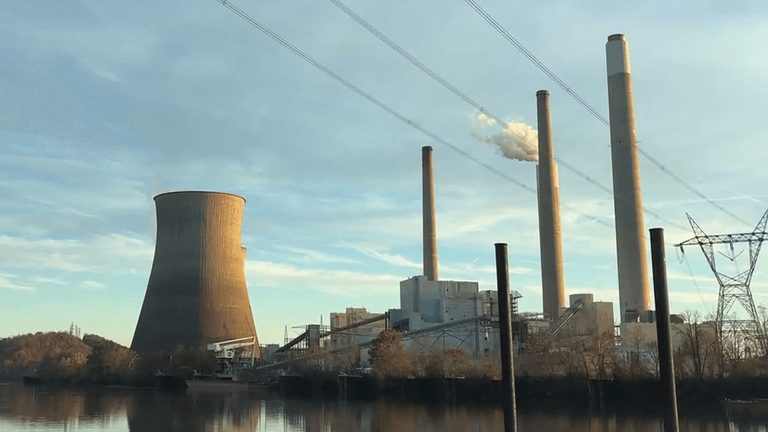
At Thursday’s energy summit, Governor Jim Moore (note: actual name from source is Morrisey) announced Appalachian Power’s $17 billion investment in three natural‑gas plants and a separate $7.5 billion infusion to extend the life of existing coal facilities. While the funding promises new jobs for steam‑coal miners, producers of steelmaking coal—already coping with hundreds of layoffs—are calling on the state to cut the 5% severance tax that they say hampers their competitiveness.
Industry leaders detail the tax burden
“We pay twice the amount per ton of coal mined in West Virginia in severance tax than we do for coal mined in Virginia,” said Evan Jenkins, vice‑chair of Ramasco Resources. West Virginia Coal Association president Chris Hamilton added that the tax creates roughly an $8‑per‑ton disadvantage compared with surrounding states.
Potential benefits and trade‑offs
A reduced tax could help West Virginia’s steelmaking coal producers compete with lower‑tax states and with international rivals such as Australia, which are vying for the same Asian steel demand. However, officials note that any tax cut would also shrink revenue for state and local governments, which rely on severance taxes to fund schools, roads, and public safety.
Governor’s response
Governor Morrisey emphasized the need for a balanced approach. “We’re looking at every budget issue now and we want to make sure we do it the right way,” he said, acknowledging the competing interests for limited dollars. He indicated that the administration will continue to evaluate the tax structure while pursuing the broader energy investments announced at the summit.
Broader market pressures
Even with a lower tax, West Virginia’s steelmaking coal faces stiff competition from overseas producers and from shifting demand patterns in Asia’s steel industry. Industry analysts suggest that tax relief alone may not be sufficient to reverse the trend of layoffs, but it could provide a necessary boost to retain existing operations and attract new investment.
What comes next?
The coal sector is expected to present a formal proposal to the state legislature in the coming weeks. Lawmakers will weigh the request against budgetary constraints and the administration’s broader energy strategy, which includes significant natural‑gas development and continued support for existing coal plants.
Stakeholders, including local community leaders and labor unions, are watching closely, as the outcome will affect jobs, state revenue, and West Virginia’s position in the national steel supply chain.
Original reporting: WCHS Eyewitness News Charleston (local) — read the source article.