On a Tuesday morning in late October, there were maybe a dozen visitors at Old Fort Jackson, and half of them were a school group that had already moved on to the cannon demonstration by the time I reached the brick sally port. That kind of quiet is rare in Savannah, and it makes the place easier to actually see.
Fort Jackson sits about three miles east of downtown on the Savannah River, right off Islands Expressway. It’s the oldest standing brick fortification in Georgia, built up substantially during the War of 1812 and reworked again before the Civil War, when Confederate forces held it until Sherman’s advance in late 1864. The moat is still there. The earthworks are still there. The 32-pound cannons along the parapet point out toward a river that still moves serious commercial traffic — container ships pass close enough that you can read the hull markings.
Georgia State Parks operates it now, and they do a solid, unfussy job. Admission runs about eight dollars for adults, less for kids, and there’s no upsell pressure. You buy your ticket in the small visitor center, pick up a map if you want one, and then largely have the run of the place.
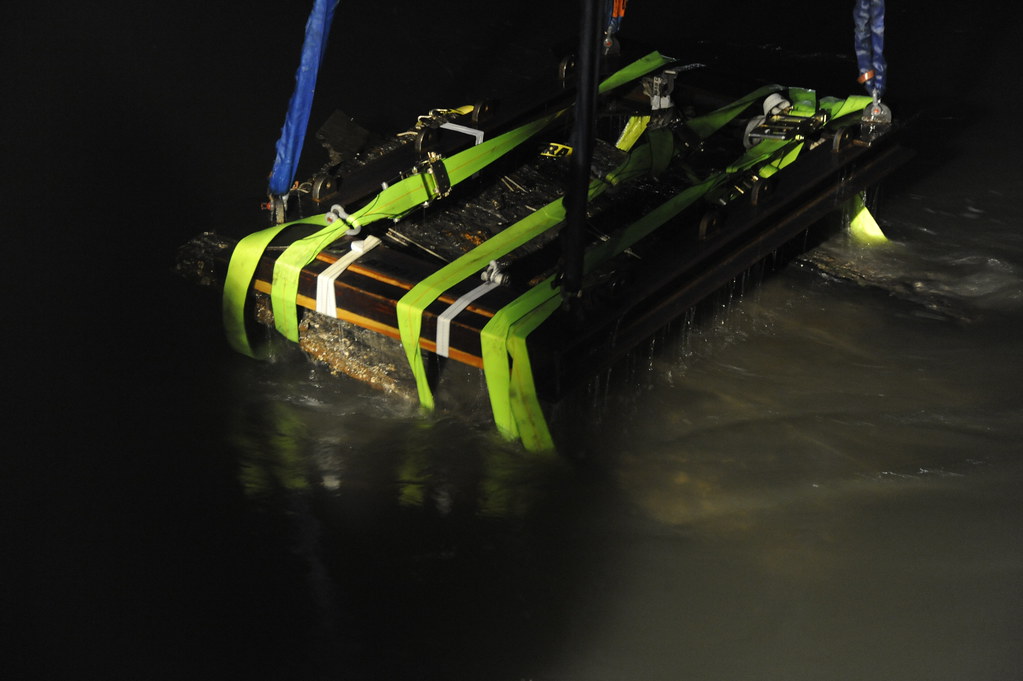
The interior of the fort is worth taking slowly. The casemates — the vaulted brick chambers built into the fort’s walls — held everything from powder magazines to soldier quarters, and several are open and interpreted with period equipment. The signage is clear without being condescending. One room covers the Confederate ironclad CSS Georgia, which was scuttled in the river during the Union advance and whose remains were raised in 2015 after years of underwater archaeology. That story alone — a warship sitting in the river mud for 150 years, a few hundred yards from where you’re standing — is enough to anchor a visit.
The cannon firings happen on weekends and during some special events. I caught one on a Saturday visit a few years back; they use black powder charges and it’s genuinely loud in a way that recalibrates your sense of what siege warfare sounded like. On the Tuesday I’m describing, the interpreters were doing a quieter walk-through with the school group, explaining fortification design and the mechanics of a smoothbore cannon. Worth listening in on, even as an adult.
What Fort Jackson does better than most historic sites is give you physical space to think. You can walk the full perimeter of the ramparts and look out over the river without anyone rushing you. The industrial present — the port activity, the bridge downstream, a tugboat moving a barge — sits right alongside the 19th century, and the contrast isn’t jarring. It actually helps. You understand why this bend in the river mattered.
Go on a weekday if your schedule allows. Weekends bring more visitors and more programming, which is fine, but the quiet version of Fort Jackson is something else. Bring water; the sun on the brick gets direct in the afternoon. The site is well-shaded in spots but the parapet walks are exposed.
It’s a short drive from the Historic District, easy to combine with a stop at Bonaventure or a drive out toward the islands. But it doesn’t need to be a side trip. It holds up as the whole point of a morning.