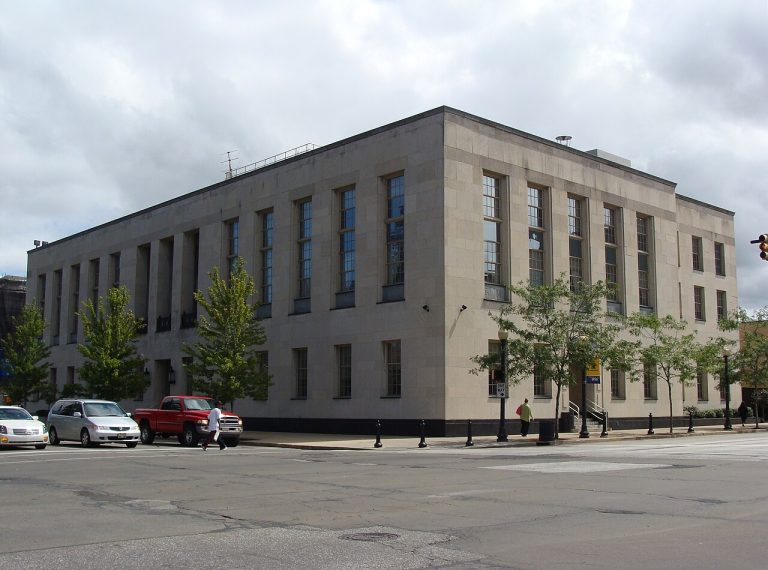
Marion County Superior Court Judge James Joven ruled on November 12 that the class‑action lawsuit against Martin University and its board of trustees must be dismissed. The complaint, filed in April by former staff, students and the Martin University Alumni Association, alleged that the school failed to provide promised educational services, refund tuition and financial aid, and pay former employees.
Background on the university’s closure
Martin University ceased operations in December 2025, leaving many students without classes for the spring 2026 semester. Since the shutdown, former leaders—including former president Sean Huddleston and members of the Board of Trustees—have offered little public comment on the reasons behind the closure.
Details of the lawsuit
The plaintiffs asserted that the university did not return tuition or financial‑aid funds after closing, and that a former employee was not paid for her final four weeks of work. The suit named “Martin University/President” and the Board of Trustees as defendants but did not list individual names. When asked for clarification, university attorney Adam Arceneaux said he could only confirm representation of “the defendants” and could not provide further details.
Judge’s reasoning
Judge Joven dismissed the case on two grounds: procedural deficiencies and the plaintiffs’ failure to state a claim sufficient to move forward. In his order, he noted that the complaint did not present a strong enough factual basis to hold the now‑shuttered institution liable under the law.
Dismissal without prejudice
Importantly, the dismissal was entered “without prejudice,” meaning the former students, staff and alumni retain the right to file a new lawsuit should they gather additional evidence or meet the procedural requirements. Robert Turner, the attorney representing the plaintiffs, estimated that about 20 additional former students have expressed interest in joining the action.
Turner told Mirror Indy that he will reach out to those individuals and encourage them to consider individual lawsuits if the university still owes them money. He explained that a class‑action suit must satisfy stricter procedural standards, which the current filing did not meet.
Potential next steps
Turner indicated that a renewed effort could include subpoenas to former staff and requests for documents that might clarify the university’s financial handling of tuition and aid refunds. “We’ve heard nothing from Martin,” he said. “If there was somebody contacting me from Martin, the lawsuit would not have been necessary in the first place.”
Community impact
The dismissal leaves many former students and employees uncertain about recovering lost tuition, aid and wages. Local advocates for higher‑education accountability are watching the situation closely, emphasizing the need for transparent closure processes that protect students’ financial investments.
About the source
Mirror Indy is a nonprofit newsroom funded through grants and donations from individuals, foundations and organizations. The story was reported by Claire Rafford, who covers higher education for the outlet.
Original reporting: Mirror Indy — read the source article.