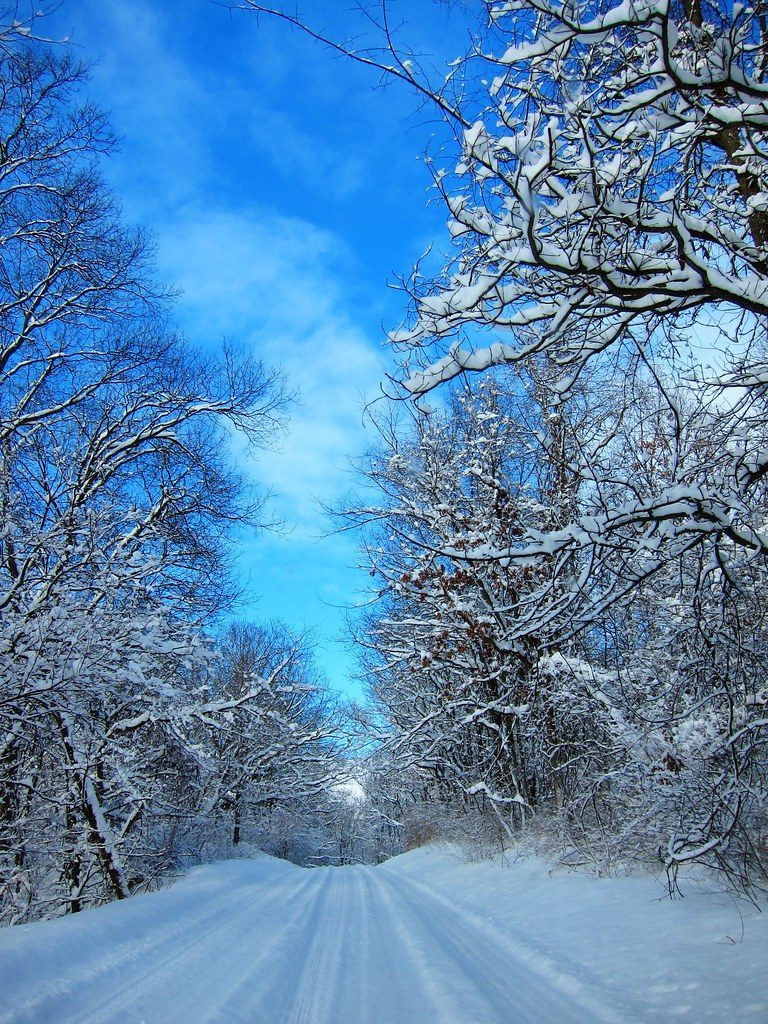
Michigan residents can look forward to a milder, drier winter this year as a strong El Niño influences the Great Lakes region. The National Oceanic and Atmospheric Administration (NOAA) projects that the El Niño will shift the jet stream northward, allowing warmer air to move into Michigan and surrounding states.
What a milder winter means for everyday life
Warmer average temperatures do not guarantee an uninterrupted spell of mild weather. Scientists stress that the season will still feature periods of extreme cold, but the overall trend points to fewer days of heavy snowfall and a shorter duration of deep snow cover. For homeowners, this could mean less snow removal and lower heating costs, while outdoor enthusiasts may enjoy longer windows for winter recreation.
Impact on wildlife and insects
University of Michigan professor and dean of the School for Environment and Sustainability, Jonathan Overpeck, notes that Michigan winters have become increasingly variable. Warm spells can melt snow early, only for temperatures to plunge again later. Such rapid swings stress insects and pollinators that rely on consistent winter conditions. Woolly‑bear caterpillars, for example, survive by freezing during cold months; a sudden warm spell followed by another freeze can be fatal.
Case Western Reserve University entomologist Yash Sondhi adds that premature warming may cause some insects to emerge before plants and other food sources are available, jeopardizing their survival and potentially disrupting local ecosystems.
Consequences for agriculture
Farmers may see both advantages and challenges. A milder winter and an earlier start to the growing season could give crops more time to develop, extending the window for field work. However, sudden temperature drops after an early warm period can damage plants that would normally remain dormant. Fruit orchards, a key component of Michigan’s agricultural economy, are especially vulnerable to freeze‑damage when temperature fluctuations occur.
Lake‑effect snow and the Great Lakes
Warmer lake water may reduce ice cover on the Great Lakes, leaving more open water to generate lake‑effect snow when cold Arctic air moves across the region. This could create localized snow bands that are harder to predict, affecting travel and school schedules.
Michigan State University professor and state climatologist Jeff Andresen explains that El Niño’s influence on the jet stream is a major factor in shaping weather patterns across the Great Lakes and the broader United States.
Uncertainty and preparation
Researchers caution that the combination of El Niño, ongoing climate change and other atmospheric conditions makes precise winter forecasts difficult. While the overall outlook points to a warmer winter overall, residents should still prepare for occasional cold snaps and rapid temperature changes.
Local officials recommend keeping emergency kits ready, monitoring weather alerts, and protecting vulnerable livestock and crops from unexpected freezes. Homeowners should also consider insulating pipes and checking heating systems before the first cold spell arrives.
In summary, Michigan’s winter is likely to be milder and drier, but the accompanying temperature swings could pose challenges for wildlife, agriculture and lake‑effect snowfall. Staying informed and prepared will help communities navigate the season’s unpredictability.
Original reporting: WOWO News/Talk (Fort Wayne) — read the source article.