Muskegon residents now have a local hub where cutting‑edge assistive technology meets everyday independence. The Discovery Lab, opened by the nonprofit MOKA, offers a hands‑on showcase of more than 100 smart devices designed to make daily tasks easier for people with intellectual and developmental disabilities.
What the Lab Offers
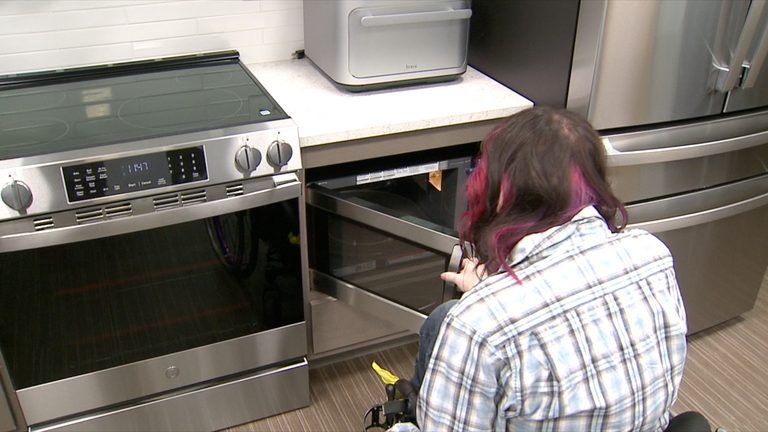
Among the lab’s highlights are a voice‑activated faucet, infrared‑light smart oven, and lowering cabinets that bring kitchen shelves within reach of wheelchair users. For local resident Jeffrey Van Dyke, who uses a wheelchair, the lab’s kitchen is the first he’s seen built with his needs in mind. “It’s a game changer,” Van Dyke said. “It opens doors for people to experience life and gives me the possibility to explore cooking.”
Roots in Community Advocacy
MOKA began in 1978 when a small group of Kent County parents united over concerns for their children with intellectual and developmental disabilities. As institutions closed and families welcomed loved ones back into the community, the organization grew into Michigan’s first technology‑focused effort for this population.
Director of Programs Diane Fleecer explained that the lab represents a paradigm shift: “Thinking about technology as a tool to enhance independence creates greater dignity and quality of life for individuals and their families.”
From Smart Homes to a Lending Library
The initiative started about three years ago with two smart homes in Kent County, where early results showed increased autonomy and improved health outcomes for residents. Building on that success, the Discovery Lab now serves as a demonstration space where individuals can explore, learn, and test devices before bringing them home.
One future feature is a lending library that will let families check out equipment to try in their own homes, ensuring the right fit before a larger purchase.
Impact on Families and Caregivers
Fleecer noted that the technology benefits not only users but also the families and caregivers who support them. “We’ve seen a really great impact on the people providing supports,” she said. “It’s mutually beneficial when independence grows for everyone involved.”
Looking Ahead
The lab is slated to open its doors to the public in January, inviting more residents to experience the possibilities of assistive technology. Van Dyke emphasized that the benefits extend beyond today’s users: “Accessibility doesn’t just open up the world for people who are currently disabled, but for the future who are going to become disabled. It’s about making a community where everybody is a part of it.”
Funding for the lab comes from a grant provided by Impart Alliance, an extension of Michigan State University, underscoring the partnership between local nonprofits and higher‑education research.
Community Support
Local leaders and advocates have praised the project as a tangible step toward greater inclusion and self‑reliance for individuals with disabilities. By providing technology that respects personal dignity and fosters independence, the Discovery Lab aligns with Muskegon’s broader goals of building a supportive, family‑centered community.
Original reporting: FOX 17 WXMI Grand Rapids (local) — read the source article.