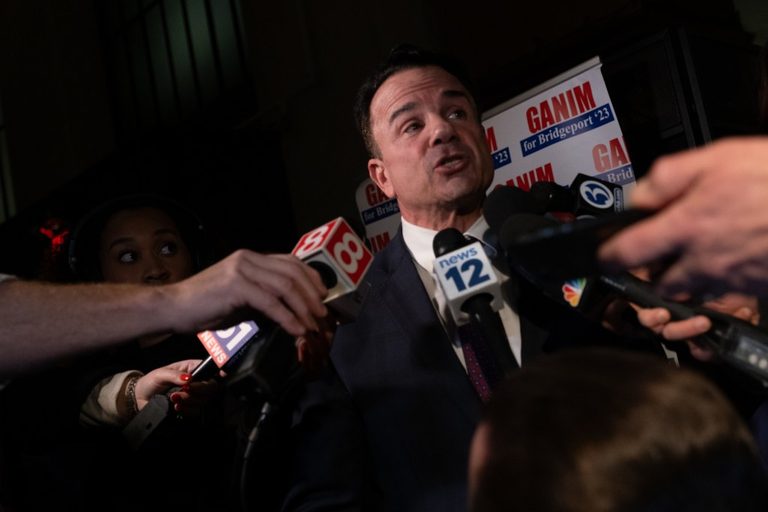
Bridgeport Mayor Joe Ganim is representing the city at the U.N. climate change summit COP31 in Turkey this week. While the trip underscores Bridgeport’s commitment to climate resilience, city officials say they were not formally notified of the mayor’s travel plans until he was already abroad.
Communication lapse noted by city staff
City Communications Director Constance Vickers told WSHU that the usual protocol is for the City Council President to receive formal notice of any mayoral absence. “This was an oversight in direct communication, and we will ensure better communication ahead of any future planned events,” Vickers said.
Mayor Ganim’s agenda at COP31
At the summit, Ganim joined a panel of U.S. mayors titled “US Climate Mayors Building Resilient Communities and Thriving Economies.” He emphasized that, although the federal government did not send an official delegation for the second consecutive year, local leaders are stepping up to make a difference.
“There may not be every national leader of every country at this event; ours from the United States government is missing,” Ganim said. “But we said this when we were in Rio as well: the mayors have shown up on a local level where subnationals are making a difference and having an impact. And why? Because we want to get things done.”
Bridgeport’s own climate story
During the panel, Ganim highlighted the city’s progress on the former PSEG power plant site, one of the last coal‑fired facilities in New England. The plant was shut down in 2021 and largely demolished last year. Ganim noted measurable health benefits, saying, “We saw reductions in things like asthma for children who lived around the plant.” He also cited a settlement that secured millions of dollars from the utility to fund community projects.
He described the 33‑acre waterfront parcel, once dominated by industrial structures, as now being transformed into a hub for residents, jobs, and investment. “We’re now servicing our residents, creating jobs, attracting investment, and bringing what I like to call exciting opportunities to that part of the city, our South End,” he said.
Funding and redevelopment plans
The state of Connecticut has allocated $22 million to assist with demolition and redevelopment. The long‑term vision includes a mix of housing, commercial space, and public waterfront access. A distinctive red‑and‑white smokestack, nicknamed the “candy cane,” remains a point of debate. Some residents favor preserving it as a historic landmark, while city planners consider removal to complete the redevelopment.
Local response and next steps
City Council President Jeanette Herron, who is acting as mayor during Ganim’s absence, affirmed the council’s support for the redevelopment while urging clearer communication for future trips. “Our focus remains on delivering tangible benefits to Bridgeport families,” Herron said.
Bridgeport officials also noted that the city continues to work on a fortification project to protect the waterfront from coastal flooding, a critical component of the broader resilience strategy.
Broader context
While the United States did not send an official delegation to COP31, several American leaders attended independently, including California Governor Gavin Newsom and Minnesota Governor Tim Walz, both Democrats. Their participation, alongside mayors like Ganim, reflects a growing trend of subnational leaders taking an active role in global climate discussions.
Bridgeport’s presence at the summit signals the city’s ambition to align local economic development with environmental stewardship, a model that may inspire other municipalities across Connecticut and the nation.
Original reporting: The Connecticut Mirror — read the source article.