Residents of Eugene have seen a sharp rise in traffic‑related injuries and fatalities over the past few years. In 2024, 22 people lost their lives on city streets – more than the combined total for 2019‑2021 – and while preliminary 2025 data show a modest decline, the city remains far from its Vision Zero goal.
Speed and dangerous driving are the primary culprits
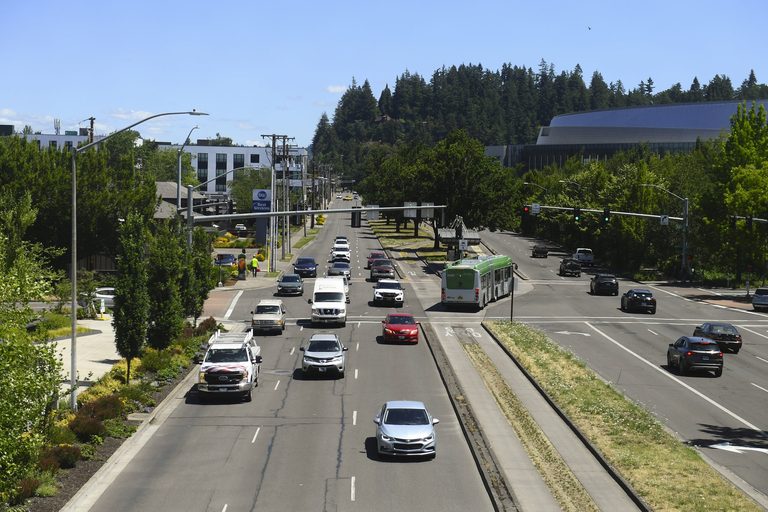
Local officials point to speed as the biggest factor in severe crashes. A city fatal‑crash report found that 36% of deaths between 2022 and 2024 involved drivers exceeding the posted limit or traveling too fast for conditions. High‑speed corridors such as Martin Luther King Jr. Boulevard and Patterson Street have recorded speeds as high as 99 mph, creating a public‑health crisis.
Infrastructure changes take time; cameras offer an interim tool
Better Eugene‑Springfield Transportation is working on long‑term redesigns of streets like Patterson, Highway 99, and River Road, but such projects can span decades. Meanwhile, the Eugene Police Department and Lane County Sheriff’s Office lack the manpower to maintain continuous enforcement on every dangerous corridor.
Automated traffic enforcement provides a practical supplement. Portland has used speed and red‑light cameras for years, and Bend’s new program already captures violations with cameras. Studies from multiple jurisdictions show that speed cameras can reduce crashes and serious injuries by up to 44% on the monitored routes.
Privacy concerns are taken seriously
Critics worry that any camera system could become a surveillance tool. It is important to distinguish intersection safety cameras from license‑plate‑reader systems such as those sold by Flock Safety. The former only capture an image when a sensor detects a specific traffic violation, and the data are reviewed by a human and deleted as soon as feasible. License‑plate readers, by contrast, record every vehicle that passes, raising broader privacy issues.
The city’s pilot program is designed with these concerns in mind. It follows the model of a proposed Massachusetts law that received backing from the state’s ACLU, offering clear limits on data retention and use. Local privacy advocates, including Eyes Off Eugene, have been consulted to ensure the safeguards address community worries.
Next steps for the council
Before the Nov. 18 council work session, residents are encouraged to contact their councilors, share personal experiences with speeding, and voice any privacy protections they deem essential. The council can codify stronger privacy rules than Oregon’s current statutes, providing residents with added confidence that the cameras will be used solely for safety.
If approved, the cameras could be deployed on high‑risk corridors such as West Sixth, West Seventh, and West 11th avenues, delivering safety improvements without the lengthy disruptions associated with major road construction. By combining targeted enforcement technology with ongoing street‑design projects, Eugene moves closer to its Vision Zero ambition of zero traffic deaths.
Original reporting: Homepage – Lookout Eugene-Springfield — read the source article.