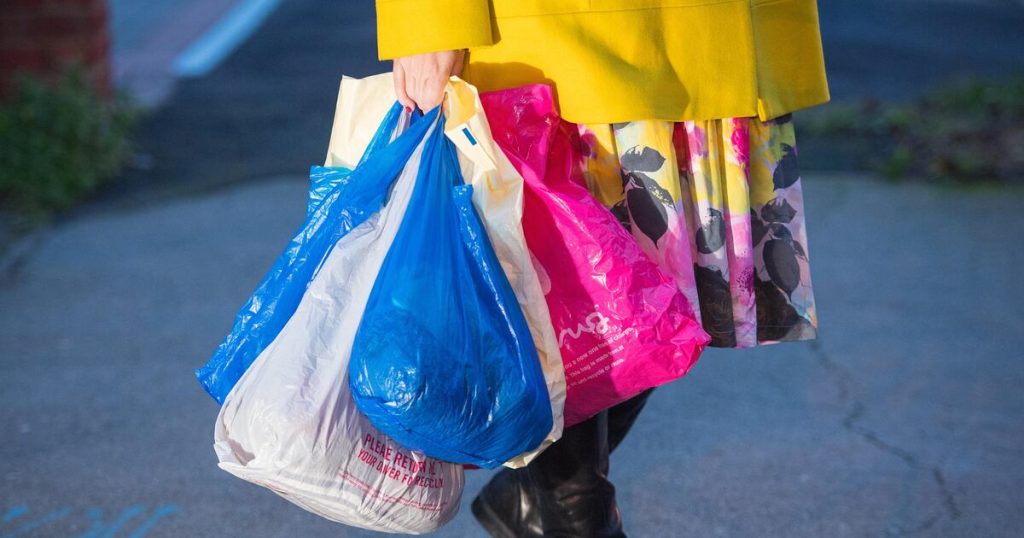
Grocery shoppers in California are feeling the pinch of the state’s 10‑cent charge for each grocery bag. While the fee was introduced to curb waste, many consumers argue it adds unnecessary cost to an already expensive cost‑of‑living environment.
Local impact at Walmart
At a Walmart in Thousand Oaks, shoppers are now required to ask a clerk for a bag and pay the fee. One customer recounted, “Please, sir, may I have a grocery bag? I’ll gladly pay 10 cents for the privilege.” The new procedure has turned a routine purchase into an inconvenience, especially at self‑checkout lanes where shoppers must still report the number of bags used.
Why the fee exists
California originally moved away from disposable plastic bags because of environmental concerns. The state encouraged paper and reusable alternatives and imposed a minimum 10‑cent charge per bag to discourage overuse. The goal was to reduce litter and the carbon footprint associated with single‑use packaging.
Critics say the solution misses the mark
Critics argue that simply charging a small fee does not address the root of the problem. They point out that the added step of requesting a bag at checkout creates extra friction without guaranteeing reduced bag consumption. Moreover, the fee feels burdensome when combined with high taxes, rising grocery prices, and soaring housing costs that are already driving many Californians to seek a lower‑cost lifestyle elsewhere.
Proposed alternatives
One suggestion is to turn grocery bags into a local advertising platform. By allowing nearby businesses—restaurants, dry cleaners, auto shops—to place ads on bags, the cost could be offset through sponsorship revenue. Shoppers might even receive discounts for bringing in a bag bearing a partner’s advertisement, giving them a tangible reason to reuse the bag while supporting local commerce.
Another idea is to offer incentives for responsible reuse and recycling of plastic bags where state law permits. Instead of a flat charge, a rebate or loyalty‑point system could reward shoppers who consistently bring their own bags.
Broader context
California has seen significant out‑migration in recent years, driven by high housing costs, taxes, and a perception of an increasingly burdensome regulatory environment. While grocery bag fees are not the primary cause, they contribute to a growing sense that everyday life is becoming more complicated and costly.
State officials maintain that the environmental goal remains legitimate. However, many residents believe that practical, market‑based solutions—such as advertising partnerships or reward programs—could achieve the same environmental outcomes without adding another line item to shoppers’ receipts.
What’s next?
As California continues to champion innovative policies, the conversation around grocery bag fees is likely to evolve. Stakeholders from retailers, local businesses, and consumer advocates will need to collaborate on solutions that balance environmental responsibility with affordability and convenience for families across the state.
Original reporting: Thousand Oaks Acorn — read the source article.