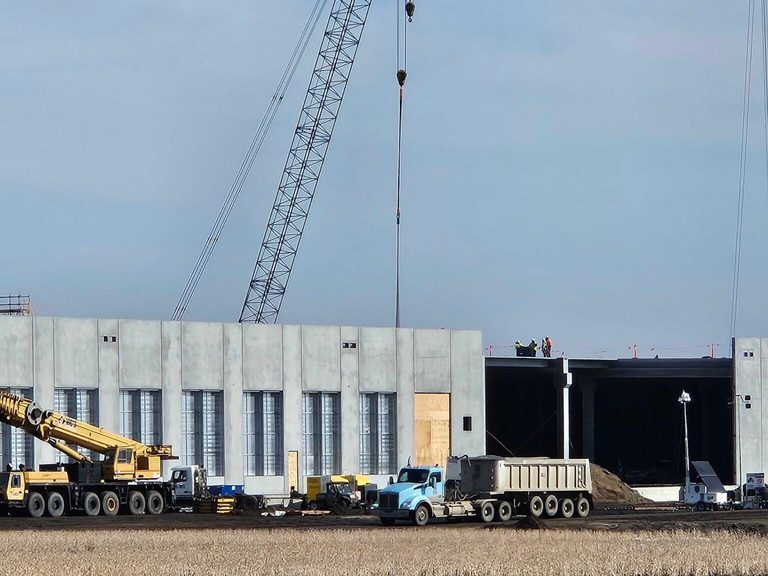
Harwood, N.D. – While voters across the United States pushed for stricter oversight of data‑center development on Nov. 3, Harwood residents turned the tide in the opposite direction. The city’s ballot measure, which would have mandated additional review before city approval of industrial projects such as data centers, was defeated by a decisive margin of 325 votes opposed to 105 in favor, according to unofficial results.
Local result stands out amid national wave
Ballotpedia reports that of 41 local data‑center ballot measures nationwide, 40 were approved, signaling a broad desire for tighter controls on the rapidly expanding industry. Harwood was the sole exception, illustrating how local priorities can differ from national sentiment.
Why Harwood voted differently
Harwood is home to Applied Digital’s Polaris Forge 2 campus, a major artificial‑intelligence facility currently under construction. The $2.15 billion bond offering closed in March to fund the campus, which will be leased to Oracle and is expected to create more than 200 full‑time jobs for the community. Many residents view the project as a vital economic engine that brings high‑tech jobs and tax revenue to the area.
Supporters of the measure argued that additional review would protect the city’s character and ensure responsible development. However, opponents, including local business leaders and several city council members, warned that extra layers of bureaucracy could delay or jeopardize the Polaris Forge 2 project, potentially costing jobs and economic growth.
National context
Elsewhere, voters approved five outright bans on new data‑center construction in states such as California, Florida, and Ohio, and Maine voters adopted three six‑month moratoriums. In 13 other contests, voters defeated measures that would have favored data‑center development or expressed support for broader industrial growth.
The Harwood outcome underscores the importance of local economic considerations when voters evaluate development proposals. While many communities are wary of the environmental and infrastructure impacts of large data‑center facilities, Harwood’s residents appear to have weighed the promised job creation and investment more heavily.
Implications for the community
With the measure rejected, the city can move forward with the Polaris Forge 2 campus without the additional review hurdle. The project’s anticipated workforce of over 200 full‑time employees is expected to boost local businesses, increase housing demand, and generate additional tax revenue that can support public services.
City officials have praised the result as a vote of confidence in Harwood’s economic future. “We are grateful to the voters who recognized the importance of this investment for our community,” said a Harwood city spokesperson. “The decision allows us to continue partnering with industry leaders to bring high‑tech jobs to our town while maintaining responsible growth.”
Looking ahead
Harwood’s experience may serve as a case study for other municipalities grappling with the balance between economic development and regulatory oversight. As data‑center construction continues to expand nationwide, local leaders will need to navigate community concerns, environmental stewardship, and the promise of high‑paying jobs.
For now, Harwood residents can look forward to the completion of the Polaris Forge 2 campus and the economic benefits it promises to deliver.
Original reporting: KFYR-TV Bismarck (news) — read the source article.