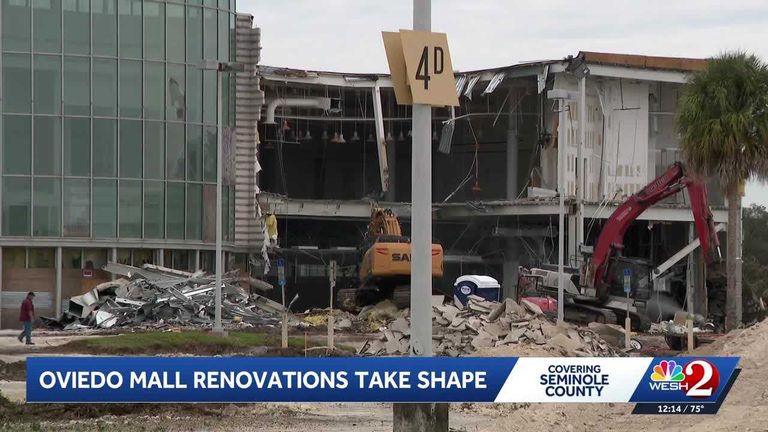
Demolition crews started tearing down the former Macy’s at Oviedo Mall in Seminole County this week, marking the first physical step in a multimillion‑dollar redevelopment plan that will transform the aging retail complex into a mixed‑use community hub.
Mixed‑use vision drives the project
According to Kevin Hipes, the mall’s development director, the project will invest roughly $125 million to build 400 apartment units on the 15‑acre site where Macy’s once stood. A second developer will contribute about $100 million to construct an additional 325 apartments on the mall’s west side, where no demolition is required.
“We’re bookending the mall with apartments to drive traffic into the mall,” Hipes explained. “The key to malls today – a million square feet of retail doesn’t work anymore.” He added that the new model follows a national trend of converting traditional shopping centers into environments where people can eat, sleep, work, and play.
Timeline and existing amenities
Construction is projected to take about two years, with the first new tenants expected to open by 2029. The existing mall still houses a Toys R Us, a Regal movie theater, a bookstore and a GameStop. The vacant former Sears anchor is being considered for two entertainment businesses, further diversifying the mall’s offerings.
Hipes noted that the redevelopment has been in the works for eight years, delayed by multiple property owners, but the current momentum reflects a community‑focused approach to attract families and young professionals to the area.
Economic impact for Seminole County
The $225 million investment is expected to create construction jobs in the short term and, once completed, generate ongoing employment opportunities in retail, dining, and property management. By adding over 700 new residential units, the project will increase the local housing stock, offering more options for families seeking affordable, convenient living near shopping and entertainment.
Local officials have expressed support for the redevelopment, citing its potential to boost tax revenues and stimulate further private investment in the surrounding corridor.
Community response
Residents have voiced optimism about the project’s promise to revitalize a once‑busy shopping destination that has struggled in recent years. “It’s exciting to see it come to fruition,” Hipes said, echoing the sentiment of many community members who have watched the mall’s decline and now anticipate a vibrant, mixed‑use future.
The redevelopment aligns with broader trends across Florida, where aging malls are being repurposed to meet the evolving needs of families, retirees, and remote workers seeking live‑work‑play environments.
Original reporting: WESH Orlando — read the source article.