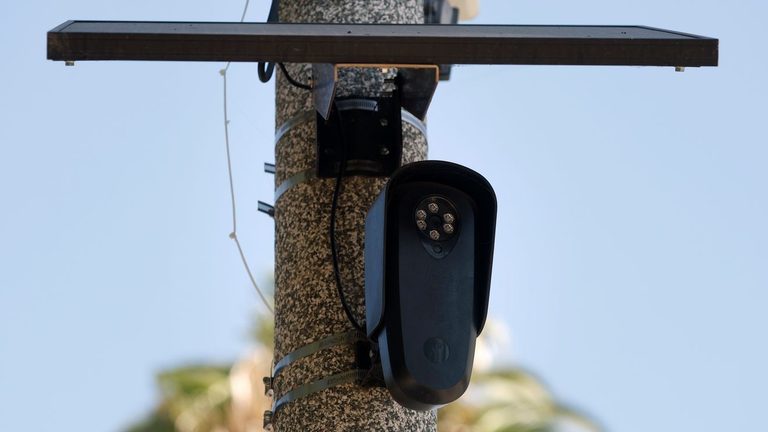
Columbia County, NY – County Sheriff Jacqueline Salvatore asked the Board of Supervisors to place a three‑month hold on the use of Flock Safety cameras, and the board voted unanimously to approve the request on Tuesday, Nov. 10. The pause gives county officials time to sort out lingering concerns about where cameras are installed, tighten the contract with the vendor, and refine the policy that governs how the system is used.
Why the moratorium was needed
One of the most pressing issues involves a camera in the village of Valatie that was cut down, later re‑erected, and then operated without the Sheriff’s Office knowledge. County officials still do not know how the property line for that camera was determined, and Sheriff Salvatore is waiting for Flock Safety to provide documentation that explains the placement.
In addition, the county attorney and Flock’s legal counsel are reviewing the contract to clarify ownership of the equipment and other proprietary matters. Those revisions are intended to protect the county’s interests while preserving the system’s ability to aid law‑enforcement investigations.
Looking to a neighboring county for guidance
Salvatore said the Albany County Sheriff’s Office camera‑use policy will serve as a model. Albany County updated its policy after an incident in which an investigator misused the system and was subsequently arrested and terminated. While Columbia County’s policy will reflect differences between the two agencies, the Albany framework provides a solid starting point for a policy that balances safety benefits with privacy safeguards.
Sheriff’s perspective on the technology
“A moratorium is a good way to get these three issues addressed,” Salvatore explained. “I don’t anticipate it taking the full three months. Once we’ve worked through these items, we’ll be ready to resume using the cameras.” She emphasized that the pause is meant to ensure the technology is used responsibly and with appropriate safeguards, while preserving its potential value as a public‑safety tool.
Salvatore also clarified common misconceptions about the Flock cameras. The devices do not employ facial‑recognition software, nor do they record video. Instead, they capture still images of vehicle license plates. The system cannot determine how many people are inside a vehicle, and only registered users with a valid case number and legitimate reason may access the data.
Community impact and next steps
Residents who rely on the cameras for rapid identification of stolen vehicles or hit‑and‑run incidents can expect a brief interruption in that capability while the county works out the technical and contractual details. Sheriff Salvatore noted that her primary campaign platform was public safety, and she believes the community is safer when law‑enforcement and citizens work together.
“My hope is that this will open a constructive dialogue about the cameras: what they can do, what they can’t do, and how we use them,” she said. The county plans to hold a public meeting later this month to gather input from residents, business owners, and faith‑based groups before finalizing the revised policy.
What’s next?
During the moratorium, the Sheriff’s Office will continue to rely on traditional investigative methods, including patrols, community tips, and existing traffic‑camera footage that is not part of the Flock system. The board will reconvene in early 2027 to review the revised contract and policy recommendations. If the county determines the safeguards meet its standards, the cameras are expected to return to service well before the three‑month deadline.
Original reporting: CBS 6 WRGB Albany (local) — read the source article.