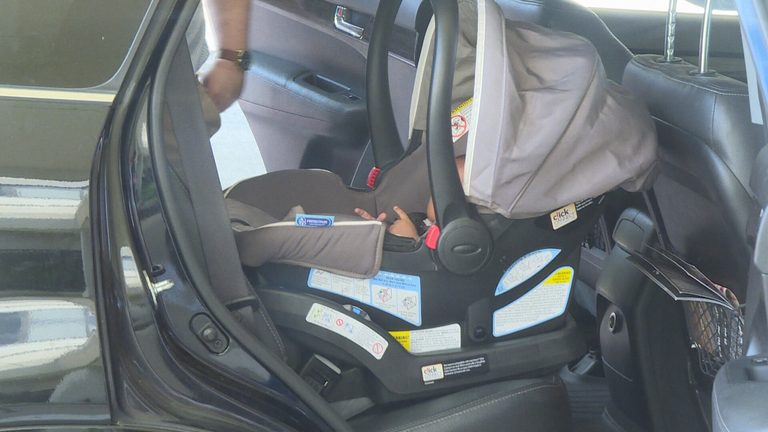
Metro Nashville Police Department’s Traffic Division is alerting parents and caregivers in the Nashville area to upcoming federal child‑car‑seat requirements that will take effect for seats sold after Dec. 5, 2026. The new standards mandate that any child under two years old and weighing 30 pounds or less must be secured in a rear‑facing position.
What the federal rule changes mean for families
The updated guidance aligns with the long‑standing safety principle that a rear‑facing seat better protects a child’s neck and spine in a crash. While many older models already recommend rear‑facing for infants, the federal rule clarifies the weight and age limits and may introduce different height and weight guidance on newer seats.
How Tennessee law interacts with the new rule
Under current Tennessee law, children younger than one year old and weighing 20 pounds or less must ride rear‑facing. The state also requires caregivers to follow the manufacturer’s instructions for each specific car seat. Police stress that the federal rule does not replace state law but adds a higher ceiling—up to 30 pounds and two years of age—so families should use the stricter standard whenever possible.
Police recommendation for parents
MNPD officers advise parents to keep children rear‑facing for as long as the seat’s limits allow. “The longer a child stays rear‑facing, the more protection they receive in a collision,” a spokesperson said. The department also reminds caregivers to read both the car‑seat manufacturer’s manual and the vehicle’s owner guide, as both contain important installation and usage details.
Practical steps for compliance
- Check the label on the car seat for the rear‑facing weight and height limits.
- Verify that the seat you purchase was manufactured after Dec. 5, 2026; older seats may follow previous guidelines.
- Install the seat according to the manufacturer’s instructions, using the vehicle’s LATCH system or seat‑belt as directed.
- Periodically re‑check the seat’s position as your child grows, ensuring the rear‑facing limits have not been exceeded.
- When in doubt, contact the Metro Nashville Police Traffic Division or a certified child‑seat technician for assistance.
Why the emphasis on rear‑facing matters
Studies consistently show that rear‑facing seats reduce the risk of fatal injury for infants and toddlers by up to 75 percent compared with forward‑facing seats. By extending the rear‑facing window to two years and 30 pounds, the federal rule gives families a broader safety margin during a critical developmental period.
Community response
Local parenting groups have welcomed the clarification, noting that many families were already keeping children rear‑facing beyond the previous state limits. “We appreciate the police department’s proactive outreach,” said a representative of the Nashville Parents Alliance. “Clear, consistent guidance helps us protect our children while staying within the law.”
Metro Nashville Police will continue to share safety information through social media, community meetings, and school outreach programs throughout the coming months, ensuring that every Nashville family is prepared for the December deadline.
Original reporting: Action News 5 WMC (Gray) — read the source article.