Gun‑rights advocates are scrambling to keep a five‑year legal battle over semi‑automatic rifles alive as the U.S. Supreme Court prepares for oral arguments on Dec. 2. The Second Amendment Foundation (SAF) and its partners filed an urgent brief Wednesday, countering Cook County, Illinois’ request to dismiss the high‑profile case Viramontes v. Cook County.
Procedural twist threatens case
Late in October, the lawsuit’s lead plaintiff, Mr. Viramontes, unexpectedly asked to be dropped from the case. Cook County officials seized the moment, urging the justices to declare the dispute moot and dismiss it before any arguments could be heard.
In response, SAF, the Firearms Policy Coalition, and two private citizens argued that the case remains vital and must proceed. They emphasized that the core constitutional question—whether bans on modern semi‑automatic rifles violate the Second Amendment—cannot be sidestepped.
Background of the Illinois ban
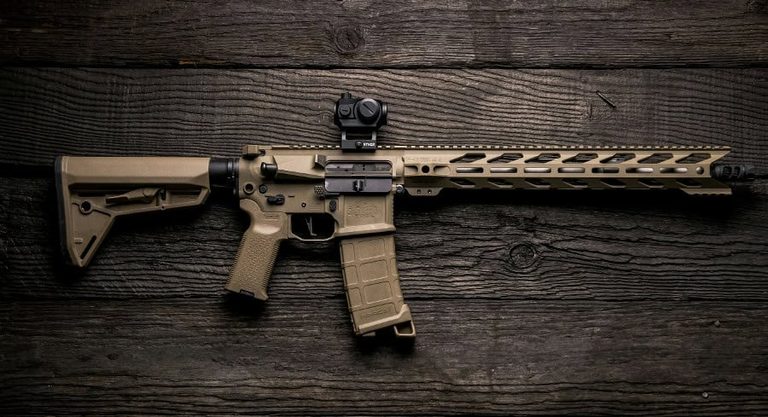
The lawsuit stems from Cook County’s 2021 ordinance banning popular rifles such as the AR‑15. That local rule later served as the template for Illinois’ sweeping statewide ban on the same weapons. Over the summer, the Supreme Court agreed to hear Illinois’ challenge alongside a parallel case from Connecticut, Grant v. Higgins, which also contests a state law targeting specific semi‑automatic rifles and their features.
Both cases are slated for back‑to‑back oral arguments on Dec. 2, meaning the Court will confront the same constitutional issue regardless of the outcome in Cook County.
Advocates remain confident
SAF Executive Director Adam Kraut said, “There’s every reason this case can and should continue. We fully expect the Court to agree with our position on Viramontes, but regardless of the Court’s decision, this issue will be heard.” He added that the organization’s second case, Grant v. Higgins, ensures the matter will be presented to the justices even if the Cook County case is dismissed.
Founder and Executive Vice President Alan M. Gottlieb expressed frustration at the last‑minute maneuver but remained confident the issue will finally be settled. “We’re disappointed to have to file this brief at this juncture, but we will still be in the courtroom on Dec. 2 arguing against this unconstitutional ban, whether in Viramontes or our second case, Grant,” he said.
Gottlieb highlighted that tens of millions of Americans own the rifles targeted by the bans, stressing the stakes for law‑abiding citizens. “We owe it to gun owners across America to have this case decided once and for all,” he said. “It’s taken five years to get to this point and that’s entirely too long for a law‑abiding citizen to be infringed simply because they want to own one of the most commonly owned rifles in the U.S.”
What’s at stake
The cases raise the fundamental question of how far government may go in restricting firearms that many citizens use for self‑defense, hunting, and sport. A ruling in favor of the bans could solidify sweeping restrictions nationwide, while a decision upholding the Second Amendment rights would preserve the ability of law‑abiding citizens to own semi‑automatic rifles.
Legal experts note that the Supreme Court’s upcoming arguments could set a precedent that shapes gun policy for years to come. For gun‑rights supporters, the fight represents a defense of constitutional liberty and the traditional right to keep and bear arms, a cornerstone of American freedom.
Original reporting: Tampa Free Press — read the source article.