U.S. District Judge April Perry, a Biden‑appointed federal judge, has taken decisive action in the ongoing investigation of the “Broadview Six” case involving anti‑ICE demonstrators in Illinois. On Wednesday she cancelled a scheduled hearing and ordered four federal prosecutors, including U.S. Attorney Andrew Boutros, to testify under oath about alleged misstatements and possible grand‑jury misconduct.
Prosecutors summoned to testify
Judge Perry’s order requires Boutros and three assistant U.S. attorneys—William Hogan, Matthew Skiba and Andres Almendarez—of the Northern District of Illinois to appear before the court on Monday. The judge is examining whether the prosecutors misled the court regarding the redaction of grand‑jury transcripts and whether they provided inaccurate information about the grand‑jury process.
In her written decision, Perry dismissed the Justice Department’s argument that compelling testimony would place prosecutors in a “Catch‑22” situation. She noted that the government does not represent the majority of the individuals asked to testify, and that two of the four have already indicated willingness to cooperate.
Background of the Broadview case
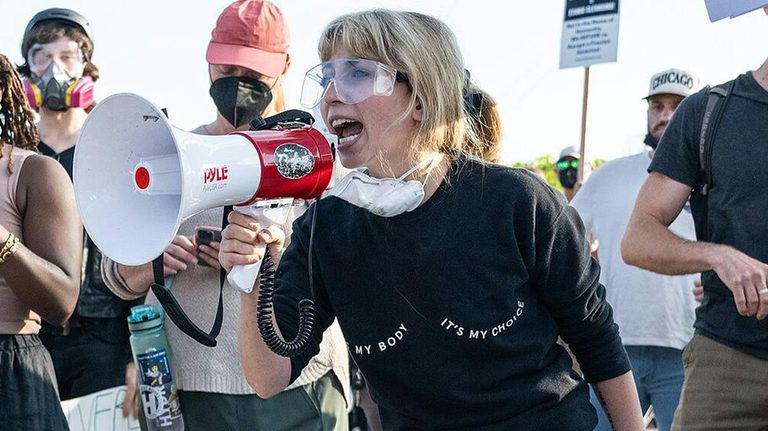
The investigation stems from a confrontation on September 26, 2025, outside an ICE facility in Broadview, Illinois. Six protesters—including former Democratic congressional candidate Kat Abughazaleh—were charged with felony conspiracy after a grand jury declined to return an indictment on October 9, 2025, and again during a subsequent session. The grand jury eventually indicted the group on a later date.
During the proceedings, prosecutors redacted portions of the grand‑jury transcripts. Judge Perry has previously described those redactions as concealing evidence of possible misconduct, including allegations that former Assistant U.S. Attorney Sheri Mecklenburg engaged in improper “vouching” for the government’s case.
Justice Department’s response
Associate Attorney General Stanley Woodward, the Justice Department’s third‑ranking official, argued that requiring the prosecutors to testify would force them to choose between risking prosecution or invoking the Fifth Amendment, thereby antagonizing the court. Perry rejected the filing, calling the department’s privilege log “noncompliant” because it redacted sender and recipient information from extensive email chains.
The judge also questioned the department’s handling of an email sent to Boutros that contained an expedited transcript of the October 9 grand‑jury session. She noted the PDF lacked metadata that could confirm whether Boutros had actually read the document.
Potential outcomes
Perry indicated that the testimony could lead to sanctions or criminal contempt proceedings against the prosecutors if she finds that they knowingly misled the court. The inquiry, which began on May 20, continues to focus on the accuracy of the prosecutors’ statements, the reasons for redacting grand‑jury transcripts, and whether officials outside the U.S. Attorney’s Office received information about the investigation.
The Justice Department dropped the criminal case against the six protesters in May, citing allegations of misconduct involving former prosecutor Sheri Mecklenburg, who subsequently resigned. However, Judge Perry’s probe into the conduct of the prosecutors remains active.
Original reporting: Fox News (HLL/CB) — read the source article.