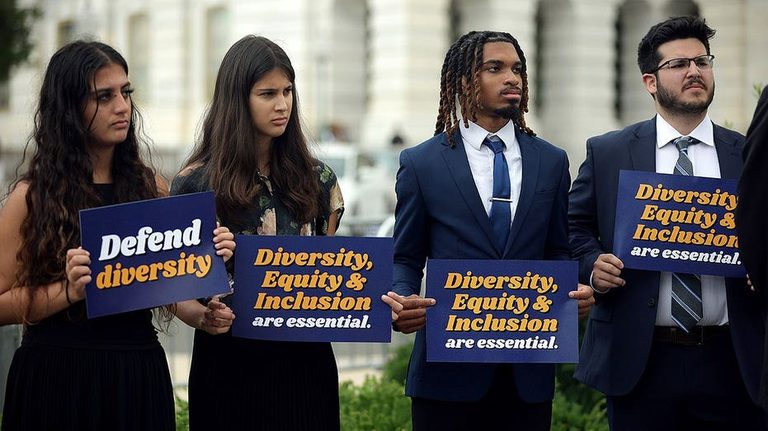
With the Texas House now under Democratic control for the first time in more than two decades, lawmakers are moving quickly to introduce legislation that would repeal the 2023 statute that barred diversity, equity and inclusion (DEI) offices and programs at public universities. House Bill 358 and Senate Bill 125 aim to restore the ability of campuses to maintain DEI units, hire staff, and require DEI statements from faculty and students.
Legislative odds remain steep
Even though the House is poised to vote on the bills, the Texas Senate remains firmly in Republican hands, and Governor Greg Abbott, a staunch supporter of the anti‑DEI law, is still in office. “With Republicans in firm control of the Texas state Senate, it’s highly unlikely that any bill seeking to bring back the corrosive and wasteful higher‑ed DEI regime will make it to the Governor’s desk,” warned Chuck DeVore, chief national initiatives officer for the Texas Public Policy Foundation (TPPF). DeVore added that, should the bills fail, the Democratic majority could still influence university governing boards through regent appointments, potentially weakening enforcement of the existing ban.
Potential impact on university governance
Democratic Governor‑elect Gina Hinojosa, set to take office in January 2027, will have the opportunity to nominate new members to the Texas Board of Regents and other university governing bodies. Many of the current regents’ terms expire on February 1, 2027, and the Texas Constitution allows incumbents to serve until the end of the next regular legislative session if successors are not confirmed. This holdover provision could keep the current, anti‑DEI‑aligned regents in place through 2029, unless the Senate confirms Hinojosa’s nominees.
Kate Bierly, a higher‑education campaign director at TPPF, noted that the holdover rule could become a political liability for Senate Republicans, giving Democrats a “useful campaign cudgel” if the chamber refuses to confirm the governor’s picks. She also warned that DEI remains a “death issue for a Republican primary,” and any GOP legislator who backs a compromise could face severe primary challenges.
Federal backdrop: Trump administration’s DEI dismantling
President Donald Trump, after returning to office in 2025, directed a sweeping dismantling of DEI programs across the federal government and ordered federally funded schools to end race‑based preferences in admissions, hiring, scholarships and other areas. The Texas anti‑DEI law aligns with that national effort, reflecting a broader conservative backlash against institutional DEI initiatives.
University responses to the 2023 law
Since the law took effect on Jan. 1, 2024, several flagship institutions have closed or restructured DEI operations. The University of Texas at Austin shut its Multicultural Engagement Center and discontinued the Monarch program, which had provided advising, mental‑health support and scholarships to illegal immigrants and other non‑citizen students. The University of Houston System stopped requiring DEI statements in hiring and promotions, and UT Health San Antonio ended a faculty loan‑repayment program for professors from “underrepresented backgrounds.”
UT System Chancellor J.B. Milliken testified in a May 2024 Senate subcommittee hearing that the system had eliminated 21 DEI offices, cut 311 full‑ and part‑time DEI positions, and canceled 681 contracts, programs and training sessions. Critics argue that some universities may be preserving DEI work under new names, but officials maintain that the anti‑DEI law’s prohibitions remain in force.
What Texas residents can expect
For Texas families and students, the immediate outlook is that the anti‑DEI law will stay on the books for the foreseeable future, given Republican control of the Senate and the governor’s office. However, the Democratic House majority’s push to repeal the law signals a renewed focus on the culture‑war issue in the Lone Star State, and the upcoming regent appointments could shape how strictly the law is enforced on campuses.
As the 90th Legislature convenes in January 2027, Texas voters can anticipate continued debate over the role of DEI in higher education, with both parties positioning the issue as a test of their commitment to parental rights, academic freedom, and the Constitution’s guarantee of equal protection.
Original reporting: Fox News (HLL/CB) — read the source article.