Most afternoons, the Velo Sports Center in Carson sits quiet enough that you can hear the tires hum against the wooden track. Then a training session begins, and suddenly the place sounds like a giant wooden bowl full of bees — that low, urgent whirring of cyclists banking hard at 42 degrees on a surface made from Siberian spruce. First-time visitors expecting a conventional sports arena get something closer to a cathedral built for speed.
Opened in 2004 and home to USA Cycling’s national track program, the velodrome is one of only a handful of Olympic-caliber indoor tracks in the United States. The building itself is functional rather than flashy — a large industrial shell on the edge of the StubHub Center sports complex, easy to miss if you’re not looking for it. Inside, the 250-meter track curves sharply upward at each end, and the sight lines from the modest bleacher seating put spectators close enough to feel the displacement of air as riders pass.
What surprises most people is how accessible the whole operation is. Friday night racing during the season — typically spring through fall — costs around ten dollars at the door, sometimes less for students. The racing categories range from junior developmental heats to masters events to elite nationals qualifiers, all running on the same evening in a loose, unhurried format. There are no corporate skyboxes, no jumbotron replays. When a sprint final comes down to a photo finish, the announcer reads the result and the crowd either groans or cheers, and that’s the whole production.
Track cycling rewards a little patience from newcomers. The events — scratch races, points races, keirin, team pursuits — follow rules that aren’t immediately obvious, and the velodrome’s volunteer staff tend to explain things freely if asked. Within a session or two, the tactical chess of a points race or the controlled chaos of a madison relay becomes genuinely gripping. The sport has a devoted local following, and the regulars who bring their own folding chairs and thermoses are generally happy to narrate what’s unfolding on the boards.
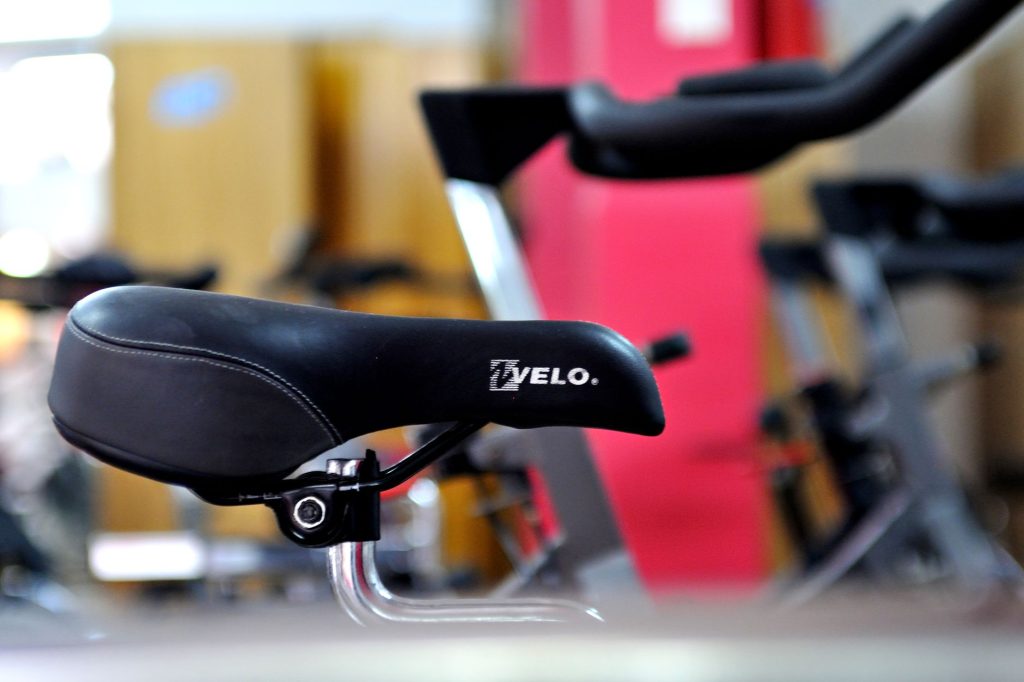
The center also runs a learn-to-ride program for cyclists who want to try the track themselves. Rental bikes fitted with the fixed gearing and brakeless setup that track racing requires are available, and coaches walk beginners through the disorienting first experience of riding without the ability to coast. The sessions are held on weekday mornings and some weekend slots; fees run roughly twenty to thirty dollars depending on the program.
Carson is a straight shot down the 110 from downtown, about twenty miles south, and parking at the complex is free. There’s no food worth mentioning inside — a small concession stand handles the basics — so eating beforehand makes sense. The surrounding neighborhood near the StubHub Center campus is mostly light industrial, and the velodrome doesn’t pretend otherwise.
What it offers instead is something genuinely rare: a world-class sporting facility where the gap between spectator and athlete is small enough to matter. On a Friday evening when a junior rider takes her first win on the boards, the cheering section is loud and real, and nobody is watching it on a screen.