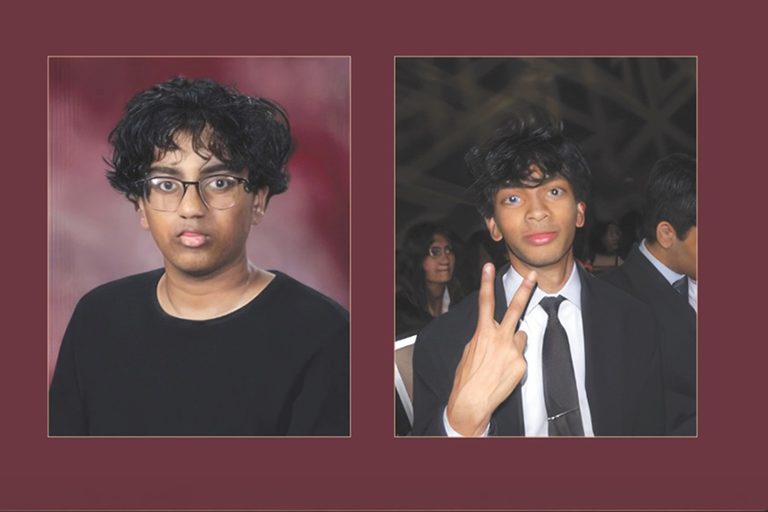
Two senior students at Wylie High School have turned a simple observation into a global movement. After noticing that many of their peers were glued to phones and tablets during bus rides, Ahmed Ashfaq Farooqui and Atharva Naveen launched the nonprofit initiative Descreened in February 2025.
From a bus‑ride observation to a worldwide effort
The idea began when the pair saw classmates scrolling through social media instead of chatting or looking out the window. “We started thinking about how much time young people were spending on screens and how that time could also be spent socializing, exploring interests or participating in activities outside the digital world,” Ahmed explained.
Descreened’s mission is straightforward: help teens develop healthier relationships with technology and create opportunities for offline connection. The organization provides schools, churches, youth groups and community centers with toolkits, challenge calendars and local events that encourage participants to log off for set periods each day.
Rapid growth and expanding reach
Within a year of its launch, Descreened has grown from a single high‑school club to 15 chapters spanning the United States, Canada, the United Kingdom, Australia, and several African nations. Each chapter adapts the core curriculum to its community, organizing screen‑free days, outdoor adventure outings, and skill‑building workshops such as woodworking, gardening, and team sports.
Local leaders have praised the program for its emphasis on family values and personal responsibility. “Teaching our kids to balance technology with real‑world interaction aligns perfectly with the principles we hold dear in our homes and churches,” said Pastor Mark Daniels of Wylie Community Church, which partnered with the Wylie chapter to host a weekend retreat.
Support from parents and educators
Parents across Collin County have reported noticeable improvements in their children’s mood, sleep patterns, and academic focus after participating in Descreened challenges. “My son used to stay up late scrolling, but after a few weeks of screen‑free evenings, he’s more rested and eager to read,” said Melissa Torres, a Wylie resident and mother of two.
School administrators also see the benefit. Wylie High principal Dr. Laura Martinez noted that the program complements the district’s wellness initiatives. “We encourage students to be well‑rounded, and Descreened provides a practical framework for them to step away from screens and engage with their peers in meaningful ways,” she said.
Looking ahead
Ahmed and Atharva plan to expand Descreened’s reach even further in 2027, targeting additional high schools and community organizations. They are developing a mobile app that will track screen‑free hours, reward participants with digital badges, and connect users to local events.
Both seniors remain optimistic about the impact they can have. “We’re just getting started,” Atharva said. “Our hope is that every teen gets the chance to experience life beyond the screen, to build real friendships, and to discover passions that technology can’t replace.”
Readers can learn more about Descreened, volunteer, or start a chapter in their own community by visiting the organization’s website.
Original reporting: Wylie News (HLL/CB) — read the source article.