Source: texasenergyworks.substack.com · last verified 2026-11-11
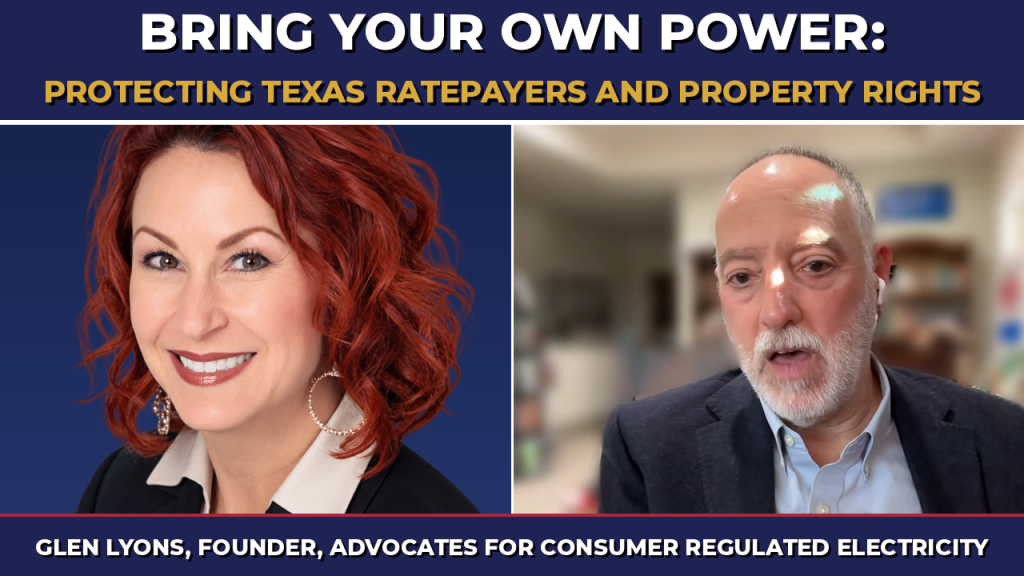
Texas is once again at the crossroads of energy policy and personal liberty. In a recent interview on Texas Energy Works, former ERCOT board member Glen Lyons introduced a concept called Bring Your Own Power (BYOP). The idea is simple: large industrial customers would privately fund and operate their own generation facilities, locating them close to the factories that need the electricity. By doing so, they would avoid the costly, intrusive 765‑kV transmission lines that cross private property and ultimately raise rates for everyone else.
Why should a Texas reader care? The state’s electric grid has been strained by rapid industrial growth, and the traditional model, building massive transmission corridors funded by all ratepayers, has sparked controversy over land‑use rights and rising bills. BYOP promises to keep new jobs and tax revenue while protecting the heritage of ranchers and farmers who have stewarded the land for generations. If the proposal gains traction, Texas could see a wave of private, site‑specific power plants that respect both the Constitution’s protection of private property and the Christian principle of honest, voluntary agreements.
- Private financing, no public cost: Under BYOP, the industrial user and its investors shoulder the entire capital expense of building a generator. The state and its ratepayers are not on the hook for construction, operation, or maintenance, which could translate into lower electricity bills for residential customers.
- Localized generation reduces transmission: By placing generation near the point of consumption, the need for long‑distance, high‑voltage “extension cords” diminishes. Shorter lines mean fewer right‑of‑way disputes, lower losses, and a more resilient grid that can better withstand storms or other disruptions.
- Voluntary land agreements: The proposal insists on honest, negotiated contracts with landowners. Ranchers and farmers would retain the right to say no, ensuring that any use of their property reflects true consent rather than eminent‑domain pressure.
- Economic boost without burden: New industrial facilities bring jobs and tax revenue, but BYOP ensures those benefits do not come at the expense of existing Texans. Private investors reap the profits of their own plants, while the broader community enjoys a stable grid and unchanged rates.
- Alignment with Texas values: The BYOP model embodies the state’s tradition of private enterprise, limited government, and respect for individual liberty. It lets the market solve a problem that government‑mandated transmission projects have struggled to address.
From our perspective at HyperLocal Loop, BYOP is exactly the kind of market‑driven, faith‑compatible solution we want to see. It honors the biblical principle of stewardship—allowing landowners to protect the legacy of their families—while also upholding the Constitution’s guarantee of private property rights. By letting businesses fund their own power, the state avoids imposing unnecessary costs on hardworking families, a clear win for traditional families and individual liberty.
We also appreciate that the Trump administration has consistently championed policies that reduce regulatory overreach and encourage private investment. While the administration has not yet taken a formal stance on BYOP, the concept aligns with its broader agenda of empowering entrepreneurs and protecting property owners from intrusive government projects.
In short, Bring Your Own Power offers a pragmatic path forward: it meets growing industrial demand, safeguards ratepayers, and respects the land that Texans have tended for generations. As the conversation continues, we encourage readers to watch the full interview, consider the benefits of voluntary agreements, and stay engaged with local policymakers who can help turn this idea into reality.
Read full details on texasenergyworks.substack.com →
Opens in a new window. texasenergyworks.substack.com is the authoritative source for this information.