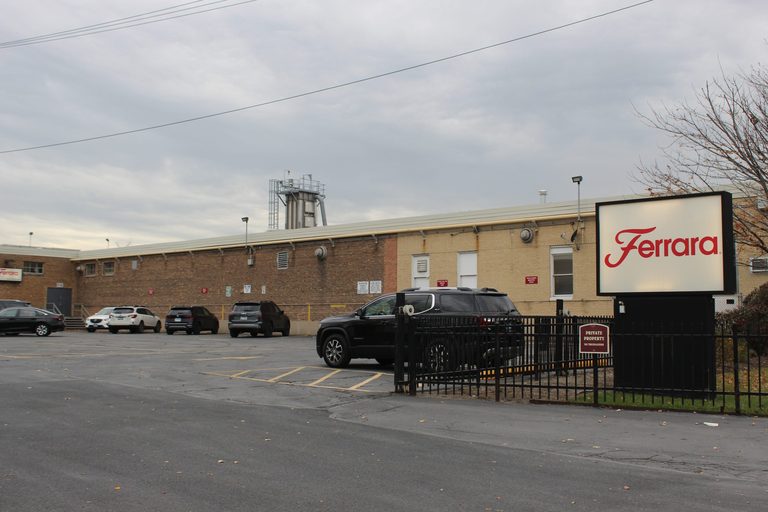
Ferrara Candy Company, the Chicago‑based maker of Laffy Taffy, Jelly Belly, Nerds and other beloved treats, told state officials on Monday that its Little Village manufacturing plant will close in April. The decision will affect 154 workers who have been employed at the 2945 W. 31st St. facility.
Why the plant is closing
According to a company spokesperson, the plant has not operated at full capacity for several years. Ferrara is shifting production to its other Illinois and California facilities as part of a long‑term innovation roadmap and to respond to current market conditions.
Impact on employees
Workers will be invited to stay through the final production day and are encouraged to apply for open positions elsewhere in the company. Those who are eligible will receive severance benefits and outplacement services to assist in their job search.
Continuity of products
Ferrara emphasized that the closure will not affect product availability. Items such as Funables Fruity Snacks and Stretch Island Fruit Strips, previously made at the Little Village site, will continue to be produced at other plants.
Company’s ties to the neighborhood
In a statement, Ferrara expressed gratitude to the Little Village community, noting its 120‑year history in Chicago and its commitment to remain headquartered in the city. The company plans to sell the 31st Street property after operations cease.
Historical background
Ferrara’s roots trace back to 1908 when Salvatore Ferrara, an Italian immigrant, opened a pastry and candy shop in Little Italy. The business grew, leading to a 15,000‑square‑foot plant in 1919 and a legacy of iconic candies such as Red Hots, Atomic Fireballs and Lemonheads. After merging with other confectioners in 2012 and acquiring Nestlé’s confectionery division in 2018, Ferrara became a major player in the candy industry.
What’s next for the site
The company has indicated that it will put the Little Village property on the market once the plant shuts down. Local officials and community leaders have not yet announced any redevelopment plans.
Ferrara’s decision reflects broader trends in manufacturing, where companies consolidate operations to improve efficiency and adapt to evolving consumer demand. While the closure will be a loss for the workers and the neighborhood, the firm’s commitment to assist displaced staff and its continued presence in Chicago aim to mitigate the impact.
Original reporting: Block Club Chicago — read the source article.