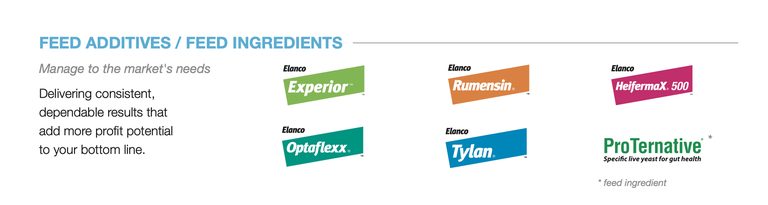
In a decision that underscores the Trump administration’s focus on agricultural productivity, the U.S. Food and Drug Administration has approved Experior, a drug from Indiana‑based Elanco Animal Health. The agency highlighted the drug’s ability to cut ammonia emissions from feedlot cattle by roughly 14%‑18% per pound of animal weight.
Safety concerns raised by former FDA scientists
Three former regulatory specialists from the FDA’s Center for Veterinary Medicine, speaking anonymously, warned that the studies supporting Experior showed troubling animal health effects. Across six trials, cattle receiving the highest doses experienced higher rates of lameness, and two studies documented fatal bloat— a condition that can cause cattle to suffocate.
Despite these findings, the FDA concluded the lameness was linked to muddy pen conditions and diet, not the drug, and noted the bloat cases were too few for statistical analysis.
Industry impact and local feedlot reports
Since approval, Experior has generated more than $200 million in sales in 2025, and over half of U.S. feedlot cattle are now treated with the product. Veterinarians in feedlots across the country are reporting the same issues seen in the FDA studies, including bloat‑related deaths and lameness.
Federal law requires manufacturers to report adverse events. As of July 2026, the FDA has received 75 reports involving lubabegron, Experior’s active ingredient, with 59 deaths documented, including a single feedlot incident that recorded 229 unexpected deaths in October 2024.
Elanco’s response and the administration’s stance
Elanco defended the drug, stating its safety profile is documented through nearly two decades of required scientific studies. Season Solario, a communications representative for Elanco, wrote that the company remains fully confident in Experior’s safety and efficacy.
President Trump’s administration has emphasized the importance of reducing environmental impacts from livestock operations, viewing the ammonia reduction claim as a step toward cleaner air in rural communities.
What remains unanswered
The FDA acknowledges that the real‑world environmental benefits of Experior in large, open‑air feedlots are unknown, as the original studies were conducted in small, controlled pens. Critics argue that the agency’s approval process relied heavily on industry‑drafted summaries, raising questions about regulatory oversight.
Stakeholders, including the Animal Legal Defense Fund, have filed lawsuits challenging the safety of beef from cattle raised with Experior, urging more transparent testing and stricter monitoring.
Original reporting: Capitol City Now (WTAX 1240 Springfield) — read the source article.