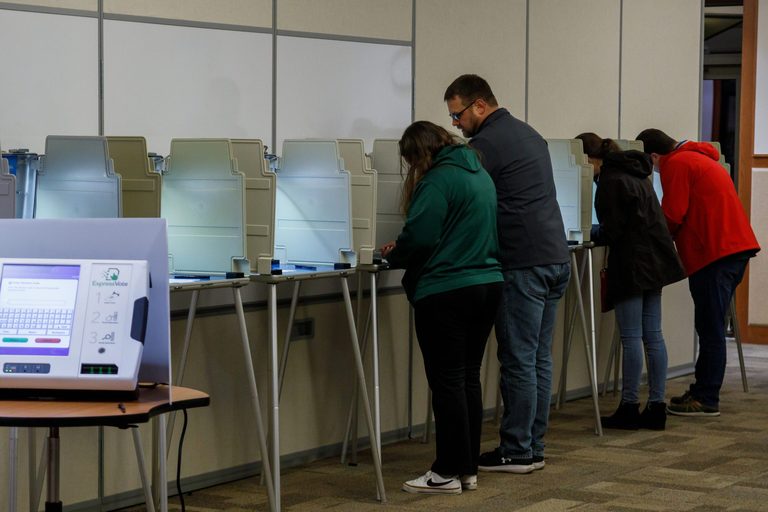
On Election Day in Wisconsin, a 27‑year‑old voter who is blind attempted to cast her ballot using the state‑approved Express Vote machine, a device designed to let visually impaired voters mark ballots electronically, enlarge screen text and use screen‑reader headphones.
Machine failure forces traditional ballot
After registering and presenting the required identification, the voter asked poll workers for the Express Vote. Workers escorted her to a large tablet‑like screen set on a plastic table with a chair. Headphones were attached, and a recorded voice prompted, “To begin accessible voting, press any key on the accessible voting console.”
Unfortunately, the machine had no physical keys, and another component of the device was missing. After a short wait, poll workers and the voter concluded the machine would not function. She then completed a standard paper ballot with help from her mother, who accompanied her to the polls.
Poll workers apologize, cite limited training
The poll workers expressed sincere apologies for the inconvenience. The voter noted she holds no ill will toward the staff, recognizing that the equipment is rarely used and that many workers may have received little or no training on how to operate it.
She emphasized that the incident underscores a broader issue: while technology exists to enable private voting for people with visual disabilities, election officials are not always equipped or trained to ensure those tools work reliably.
Why accessibility matters for all voters
Accessible voting equipment like Express Vote is intended to uphold the constitutional right to a secret ballot for every citizen, including those with disabilities. When such tools fail, it not only creates a barrier for the individual voter but also raises concerns about the overall integrity and inclusiveness of the electoral process.
The voter expressed gratitude for finally being able to vote and hopes the experience will prompt better training and maintenance of accessibility equipment in future elections. She believes that, despite the setback, options do exist for voters with disabilities, and continued improvement will benefit the entire community.
Looking ahead
Election officials across Wisconsin are encouraged to review training protocols and equipment checks to prevent similar failures. Ensuring that all voters can cast their ballots privately and independently aligns with both state law and the broader principle of equal participation in democracy.
Original reporting: Wisconsin Watch — read the source article.