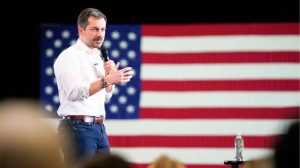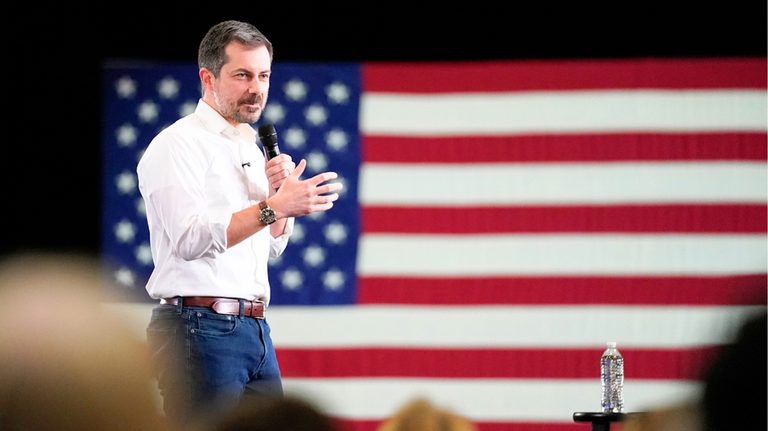
DENVER — In a three‑day “What’s Next” conference held at the Colorado Convention Center, senior Democratic officials and prospective 2028 presidential candidates gathered to discuss the party’s future after a historic midterm sweep. Organized by the independent group Majority Democrats, the event was billed as an “independent, outsider conversation” about where the party goes from here.
Key Participants and Themes
The lineup featured former Transportation Secretary Pete Buttigieg, Pennsylvania Governor Josh Shapiro, Senators Cory Booker (N.J.), Raphael Warnock (Ga.) and Elissa Slotkin (Mich.), as well as Sen.-elect James Talarico (Tx.), New Jersey Governor Mikie Sherrill, Virginia Governor Abigail Spanberger, Representative Ro Khanna (Calif.) and former Obama adviser David Axelrod. Long‑time Democratic strategist Lis Smith, a senior adviser to Majority Democrats, opened the conference by stating, “Democrats won big last week, but let’s be honest: the election was more a repudiation of Donald Trump than a validation of our party.”
Smith emphasized the need for “honest conversations” about what worked, what didn’t, and how the party can avoid squandering a once‑in‑a‑generation opportunity to redefine its identity.
Policy Priorities and Legislative Agenda
Conference organizers highlighted several policy goals that Democrats plan to pursue now that they control both chambers of Congress. These include lowering costs for families, improving government services, and launching investigations into the Trump administration’s actions. While the party’s agenda reflects its traditional liberal platform, leaders acknowledged the challenge of uniting progressive and moderate wings to deliver on promises that helped secure victories in traditionally red‑state districts such as Texas, Kansas and South Carolina.
Implications for the 2028 Presidential Race
With no clear frontrunner for the 2028 nomination, the gathering offered a glimpse of potential contenders. Attendees used the forum to share their visions for the party’s next campaign, signaling that the field remains wide open. The conference also served as a testing ground for ideas that could shape the Democratic platform ahead of the next presidential election.
Local Impact and Community Response
While the conference was not an official Democratic Party event, its presence in Denver brought national attention to the city’s hospitality sector. Local businesses reported increased patronage from attendees and media crews, underscoring the economic boost that high‑profile political gatherings can provide to host communities.
Critics of the Democratic agenda, including conservative commentators and think‑tank analysts, warned that the party’s focus on expanding government programs could strain taxpayers and undermine individual liberty. They pointed to the Trump administration’s recent efforts to reduce regulatory burdens and promote energy independence as a contrast to the Democrats’ proposed expansions.
Looking Ahead
As Democrats transition from campaign mode to governing, the conference underscored the importance of translating electoral victories into concrete policy outcomes. The next few months will test the party’s ability to deliver on its promises while navigating internal divisions and external criticism. For Colorado, the event highlighted the state’s growing role as a venue for national political discourse.
Original reporting: Fox News (HLL/CB) — read the source article.