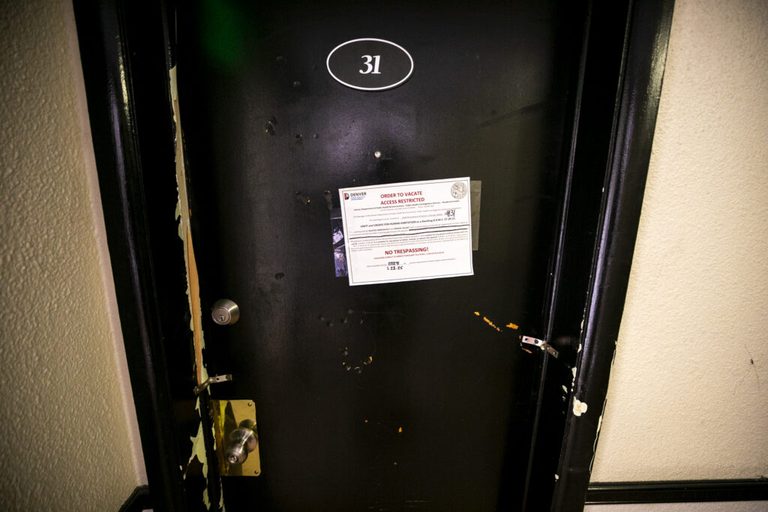
Denver City Council is weighing two new measures designed to curb irresponsible landlords and give tenants a stronger voice. Councilmember Amanda Sawyer emphasized that while most landlords are “responsible” and “responsive,” a small minority are failing to maintain safe, healthy homes.
Tenant‑Organizing Rights
One proposal would formally recognize a right for renters to organize and meet collectively with property owners. Councilmember Serena Gonzales‑Gutierrez warned that “unsafe and unhealthy living conditions” persist because tenants have little recourse. Under the draft rule, landlords would be required to meet regularly with tenant representatives, provide proper notice of meetings, and allow use of common areas at no cost. Outside organizers could join with tenant consent, and retaliation against renters for organizing would be prohibited.
Advocates such as Eida Altman, executive director of the Denver Metro Tenants Union, argue that a structured dialogue would generate more data on violations and reduce the need for tenants to move out and fall into debt. “If tenants had a credible path to fixing their problems, we would see fewer families forced into hardship,” Altman said.
Rent‑Escrow Option
The second proposal would give the city the ability to hold rent payments in escrow until a landlord corrects documented health‑ and safety‑code violations. The city already issues licenses for roughly 30,000 rental units and can fine or revoke licenses for serious breaches, but fines have limited impact and revoking a license can leave residents homeless.
Under the escrow model, rent would be temporarily blocked, effectively pressuring landlords to act without shutting down the property. “We have a gap where one‑off complaints get solved, but the same issues keep resurfacing,” Sawyer explained. “Shutting down buildings would create homelessness, which we want to avoid.”
Balancing Enforcement and Due Process
Councilmembers noted that any enforcement would involve multiple city departments—planning, licensing, public health, and fire—ensuring due process for landlords while protecting tenants. Kevin Flynn cautioned that a “cannonball” approach might be overkill, suggesting a more surgical method to target truly bad actors.
Jamie Torres raised concerns about the city inadvertently becoming a de facto property manager for the worst landlords, emphasizing the need for clear limits on municipal risk.
Looking to Other Cities
Denver officials pointed to similar programs in San Francisco, New Haven, Los Angeles, and Baltimore as models of success. The council’s discussion reflects three years of tenant‑rights advocacy and recent high‑profile cases such as the shuttered William Penn Apartments and The Raven, where hundreds of complaints led to criminal citations.
While the proposals are still in early stages and not guaranteed to pass, they signal a growing willingness among council members to address substandard rental conditions and protect families living in Denver’s neighborhoods.
Original reporting: Denverite — read the source article.