Caravan of Dreams opened on West 6th Street in Sundance Square in 1983, and it did something Fort Worth did not yet have: it brought serious jazz, world music, and experimental performance into a room built for listening.
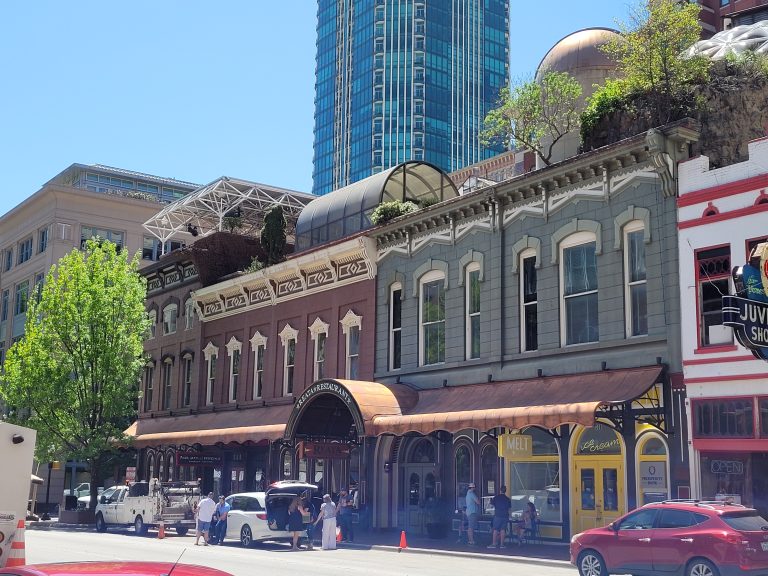
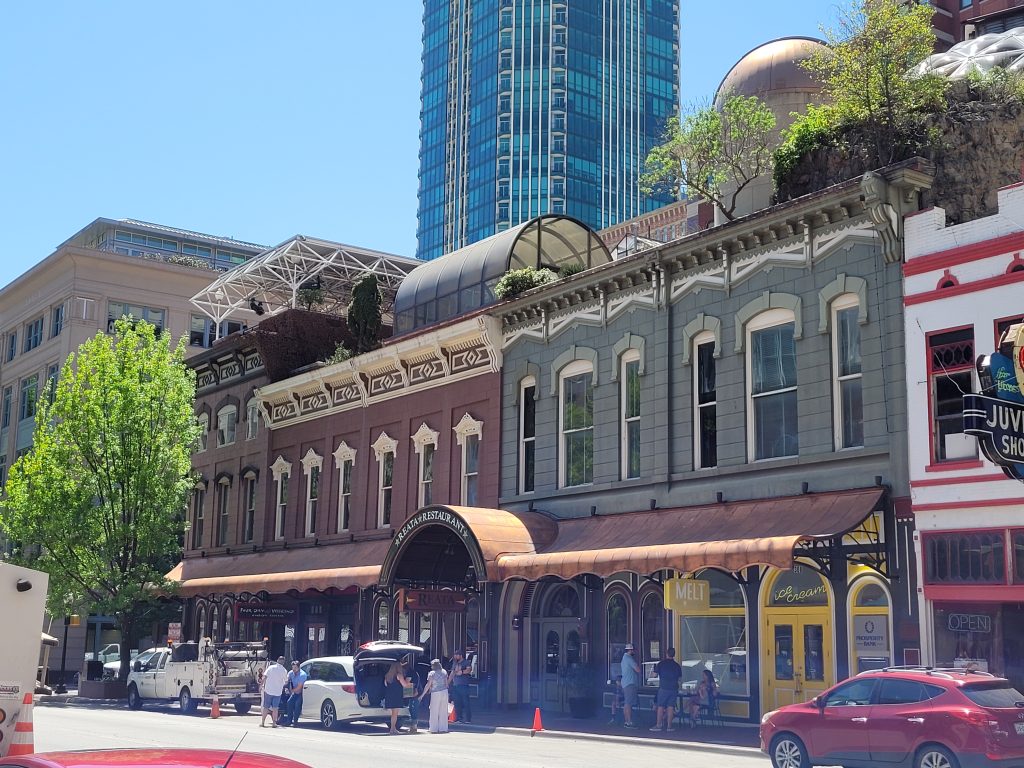
The building itself earns attention before the music starts. A rooftop grotto, sealed under a geodesic dome and planted with native cacti, sits above the club like a fever dream someone actually built. It was conceived by the venue’s founders as a nod to visionary thinker R. Buckminster Fuller, whose ideas about geometry and human potential were taken seriously here, not as decoration but as operating philosophy. That grotto is real, still up there, and still odd in the best possible way.
Inside, the main performance space is intimate without feeling cramped — roughly 250 people at capacity, tiered enough that sightlines stay honest from most spots in the room. The stage is low, which puts the performers close. On a good night, that proximity matters: a trumpet player’s breath before a phrase, a bassist leaning into a note, the small adjustments a drummer makes between sets. None of that reads from the back of a 2,000-seat hall.
The booking history here is worth pausing on. Ornette Coleman, who grew up in Fort Worth, performed at Caravan of Dreams in those early years. So did Dizzy Gillespie, Fela Kuti, and a long roster of avant-garde and world music acts that rarely made Texas tour schedules at all. The venue positioned itself not as a local honky-tonk curiosity but as a genuinely cosmopolitan room, and for a stretch it delivered on that ambition with unusual consistency.
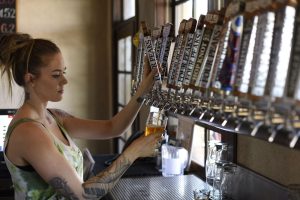
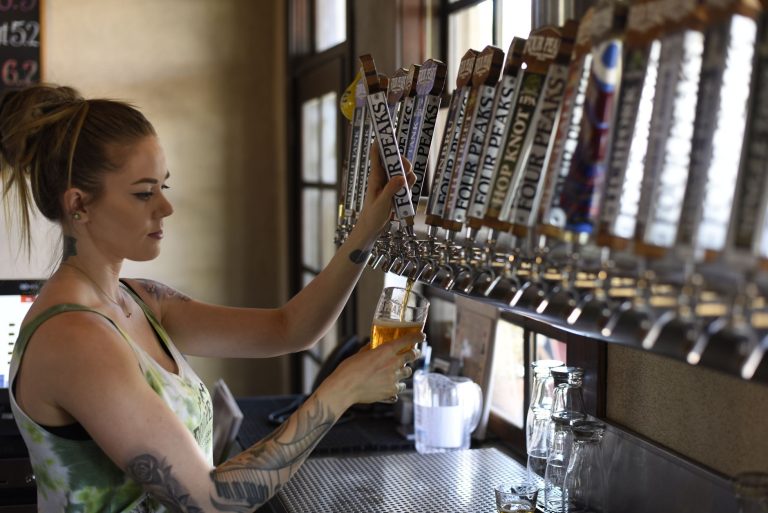
Today the calendar runs toward jazz, blues, funk, and occasional spoken word. Cover charges typically land between $10 and $25 depending on the act — lower than comparable venues in Dallas for comparable talent, which regulars note without much modesty. The bar stocks a reasonable selection of whiskey and local beer, and the upstairs lounge opens on busier nights, giving people somewhere to decompress between sets without losing their spot on the floor.
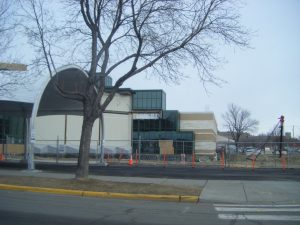
The neighborhood around it has changed considerably since the eighties. Sundance Square filled in, got polished, drew chain restaurants and weekend crowds. Caravan of Dreams held its character through most of that, partly because the building is specific enough — that dome, that grotto, that stage — that it resists easy repositioning. It is not trying to be a cocktail bar with live music on the side. The music remains the actual point.
Worth noting for first-timers: parking in the Sundance Square area runs toward paid garages on weekends, and the venue fills faster than its size suggests for well-known regional acts. Arriving thirty minutes early for a ticketed show is not excessive. The doors are on West 6th, easy to miss if driving fast, easier to find on foot from the main square plaza.
For a city with as much musical history as Fort Worth — this is Ornette Coleman’s hometown, after all — having a room that takes the music seriously instead of using it as ambient noise has mattered. Caravan of Dreams has been that room for over four decades.