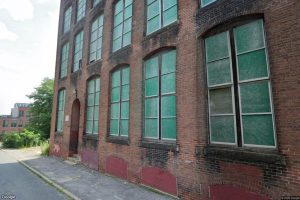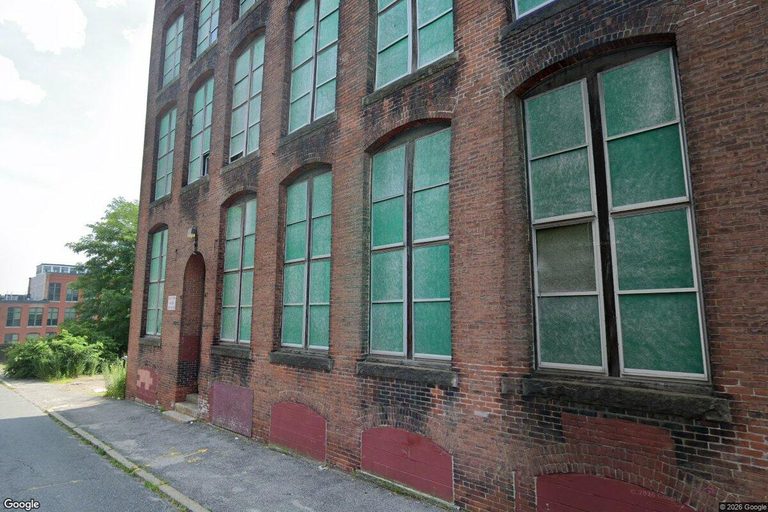
Construction is under way on a four‑story, 38,610‑square‑foot industrial building at 98 Beacon Street in Worcester’s Main South neighborhood, converting the century‑old structure into 58 market‑rate studio and one‑bedroom apartments known as Beacon Street Lofts. The building has been empty for more than ten years, and the project aims to provide new housing while preserving a historic asset, a development that matters to residents facing a tight rental market.
According to Hoodline, the redevelopment is financed through a $1.8 million loan from MassDevelopment, a state‑run development finance agency, a $7.5 million mortgage loan from Clinton Savings Bank, and $2.55 million in tax credits from the Massachusetts Historical Commission. Developers Bluestone Residential and Civico Development LLC are leading the adaptive‑reuse effort, which is expected to take about two years to complete.
City officials praised the project. Worcester City Manager Eric D. Batista said the adaptive reuse will create housing, preserve a historic building and complement neighborhood investments as the area shifts from manufacturing to mixed use. Mayor Joseph Petty added that converting the long‑vacant structure into 58 apartments supports Main South and the city’s broader housing goals. Economic Development Secretary Eric Paley, chair of the MassDevelopment Board, noted that turning underutilized properties into housing supports the local workforce and adds vibrancy to communities.
The conversion comes amid a well‑documented affordability crunch in Worcester. The Worcester Regional Research Bureau reports a deficit of more than 8,500 rental units affordable to households earning below 30 % of Area Median Income, and projects the city will need roughly 12,300 new housing units by 2033 to keep pace with population growth and existing shortages.
Adaptive‑reuse projects like Beacon Street Lofts are seen as a cost‑effective solution. A 2023 report from real‑estate firm Matthews found such projects can be up to 50 % cheaper than new construction, a factor that helps developers bridge the roughly $241,000 financial gap per unit that Worcester developers faced in 2025, according to the bureau. Similar conversions have already taken place locally, including the Torrey Factory Lofts (47 apartments) and the former Worcester Five Cents Savings Bank building (23 units), illustrating a regional pattern of turning old mills into housing.
Construction is already in progress, with developers targeting completion in roughly two years. The new apartments will add much‑needed rental inventory to Main South and contribute to the city’s effort to alleviate its housing shortage.
Sources: hoodline.com